

Introduction
In today’s topic, we’re unpacking the ongoing controversy surrounding K-pop girl group Kiss of Life—a story that began with their meteoric rise and took a sharp turn following a racially insensitive livestream. While some may consider this "old news," the repercussions are still unfolding, shaping the group’s future in ways no one anticipated.
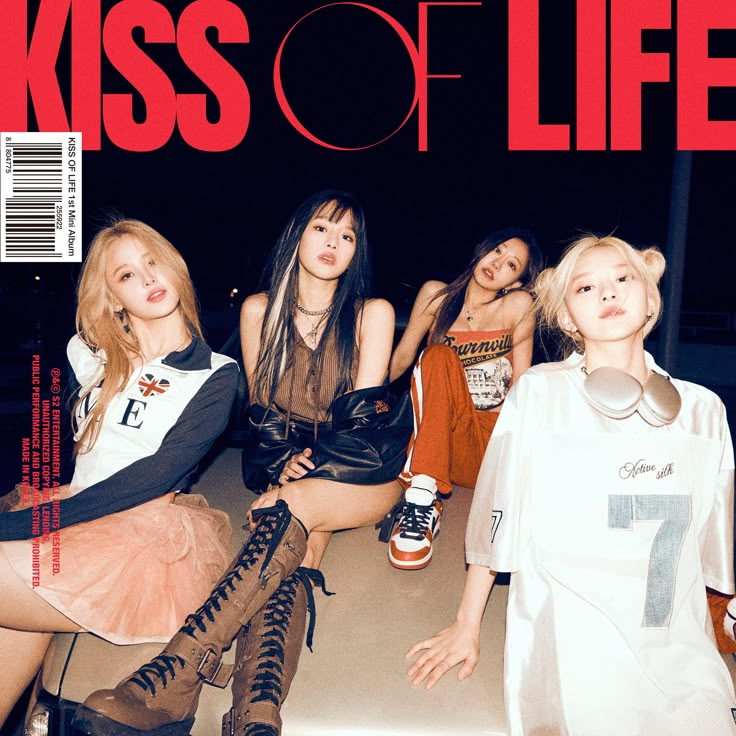
We’ll cover:
- Kiss of Life’s Rise to Fame – Their rapid success before the scandal.
- The Controversy – The infamous April 2025 livestream and its fallout.
- The Aftermath – Lost followers, industry backlash, and withdrawn opportunities.
- What’s Next? – Can the group recover, or is their reputation permanently damaged?
1. Kiss of Life’s Meteoric Rise
Kiss of Life debuted in July 2023 under S2 Entertainment, consisting of members Julie, Natty, Belle, and Haneul. Their pre-debut solo projects built hype, and their multicultural backgrounds (Julie and Belle from the U.S., Natty from Thailand, and Haneul from South Korea) made them stand out.
Key Achievements in 2024:
- Their B-side track "Igloo" went viral, with idols and fans replicating its dance challenge.
- Won Best Artist and Best Musician at the Asia Artist Awards.
- Became Maybelline New York ambassadors and were featured in Teen Vogue’s "12 Girl Groups to Watch in 2024."
- Collaborated with big names like GOT7’s Mark and TWICE’s Nayeon.
- Successfully completed their first U.S. tour, Kiss Road.
By early 2025, they were gearing up for a European tour leg—until everything derailed on April 2, 2025.
2. The Controversy: The Infamous Livestream
On April 2, the group held a birthday livestream for member Julie, themed around "old-school hip-hop." Before it began, member Belle ominously warned fans: "Promise you won’t leave the fandom after watching it."
What Went Wrong?
The livestream featured:
- Stereotypical "Black" and "Latino" cosplay – Braids, gold chains, exaggerated accents.
- Cringeworthy alter egos – Belle called herself "Lil Taco Belle", Natty as "NT", Julie as "Baby Julie", and Haneul as "Bob Sky."
- Mock rapping and gestures – Mimicking Black hip-hop artists in a parody-like manner.
- Reference photos of Black men – Used as "inspiration" for their exaggerated personas.
The livestream was widely condemned as racially insensitive, reinforcing harmful stereotypes.
3. The Fallout: Backlash and Consequences
Immediate Reactions
- S2 Entertainment issued an apology, claiming they "meant to respect the culture" but failed to recognize the harm.
- Fans were furious—the group lost over 200,000 followers on social media.
- A handwritten apology from the members (in English) was dismissed as insincere and generic.
- Black Swan’s Fatou (a Black K-pop idol) called them out, saying: "If you want to apologize to Black people, make sure you address us".
Long-Term Repercussions
- KCON LA 2025 Withdrawal – Kiss of Life was dropped from the lineup in May 2025, likely due to the controversy.
- Fan Boycotts – When Julie was announced as a feature on Red Velvet’s subunit track, fans demanded her removal.
- Damaged Reputation – Their upcoming June 2025 comeback (EP ‘224’) is already facing skepticism, with fans questioning if they’ve truly reflected.
4. What’s Next for Kiss of Life?
Possible Scenarios:
- Domestic Focus – S2 may shift promotions to South Korea, where backlash is less severe than in Western markets.
- Hiatus or Disbandment Risk – If their June comeback flops, the label might freeze activities to let tensions cool.
- Rebranding Attempt – A sincere, long-term effort to educate themselves and address cultural sensitivity could help, but trust is hard to regain.
Broader Industry Implications
This incident highlights a recurring issue in K-pop:
- Cultural appropriation (e.g., Black hairstyles, AAVE, stereotypes) has been a problem for years.
- Apologies often feel performative—fans demand real accountability, not just PR statements.
- Global audiences are less forgiving—what might be dismissed in Korea can severely damage international careers.
Final Thoughts
Kiss of Life’s controversy is a cautionary tale for all Artists and Influencers:
- Intent ≠ Impact – Even if they didn’t mean harm, the damage was done.
- Fans won’t forget – Unlike past scandals that faded, this one has lasting consequences.
- The industry must change – More cultural education is needed to prevent such incidents.
Will Kiss of Life recover? Only time will tell—but their next steps will define their future.
What do you think? Should fans forgive and move on, or is this a turning point for accountability in K-pop? Let’s discuss in the comments!
(Sources: The Korea Herald, Korea JoongAng Daily, Indian Express, Collider, and more.)
User Credit: Xiwang Kpop Tea 🫖


