Psikologi Di Sebalik ‘Add to Cart’: Mengapa Kita Membeli Tanpa Berfikir Dua Kali?

Dalam dunia digital hari ini, membeli-belah dalam talian telah menjadi sesuatu yang sangat mudah. Satu ketika anda hanya melihat-lihat, dan sedar-sedar sahaja, sudah ada tiga barang di dalam troli (cart) anda.

Tetapi mengapa ini berlaku? Mengapa pengguna membuat keputusan pembelian yang begitu pantas dan seolah-olah automatik? Mari kita bongkar rahsianya.

1. Kemudahan Mengurangkan Beban Berfikir

Membeli-belah dalam talian direka untuk mempercepatkan keputusan. Dengan ciri-ciri seperti:

  • Pembayaran satu klik (one-click checkout)
  • Maklumat pembayaran yang disimpan
  • Syor produk peribadi (personalized recommendations)

Otak kita tidak merasakan "halangan" yang sama seperti di kedai fizikal. Kita tidak merasa berat hati melihat wang tunai keluar dari tangan, jadi pembelian terasa lebih ringan. Semakin mudah prosesnya, semakin cepat kita membuat keputusan.
2. Emosi Sebagai Pendorong Utama

Kebanyakan keputusan pembelian adalah berdasarkan emosi sebelum logik. Jenama menggunakan emosi tertentu untuk mendorong anda menekan butang ‘cart’, seperti:

  • Keterujaan: Produk kecantikan yang menjanjikan "kulit glowing dalam 7 hari."
  • Urgency (Kesegeraan): Stok terhad yang mencetuskan rasa takut terlepas peluang.
  • Keselesaan: Produk rumah yang memudahkan kerja harian.

Apabila emosi kuat, otak akan memintas proses pemikiran rasional.

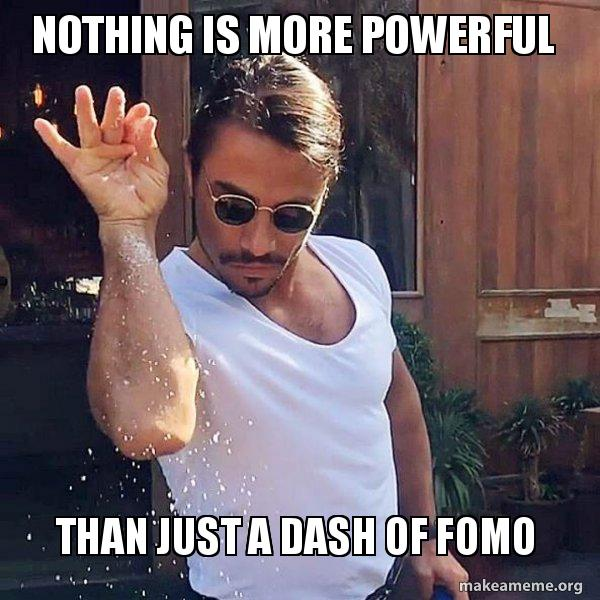
3. FOMO: Takut Terlepas Peluang

Tiada apa yang membuatkan orang bertindak lebih pantas daripada perasaan takut kehilangan sesuatu. Pemasar menggunakan teknik FOMO melalui:

  • "Hanya tinggal 3 unit sahaja!"
  • "Jualan kilat tamat pada tengah malam!"
  • "Edisi terhad."

Ini mengaktifkan respon survival otak: "Jika anda tidak dapatkannya sekarang, anda akan rugi." Dan secara automatik—boom—anda terus 'Add to Cart'.
4. Bukti Sosial (Social Proof)

Manusia secara semula jadi lebih mempercayai manusia lain berbanding jenama. Itulah sebabnya ulasan, testimoni, video unboxing di TikTok, dan kandungan influencer memainkan peranan besar. Apabila ramai orang mengatakan sesuatu produk itu bagus, kita merasa selamat secara mental. Ia mewujudkan persepsi: "Semua orang membelinya, jadi ia pasti berbaloi."

5. Ilusi Penjimatan

Diskaun dan promosi bukan sekadar alat pemasaran, tetapi pencetus psikologi. Contohnya:

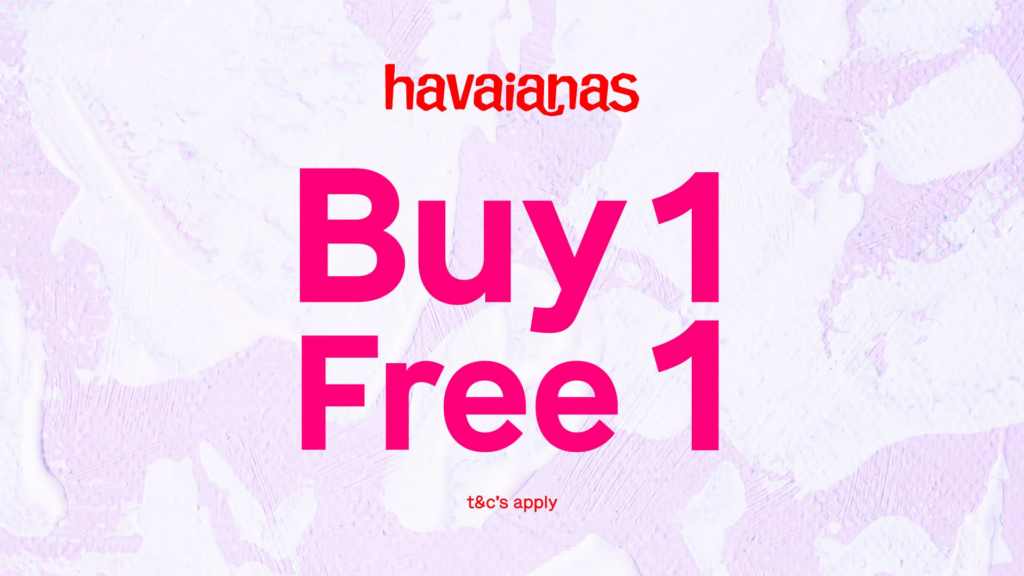
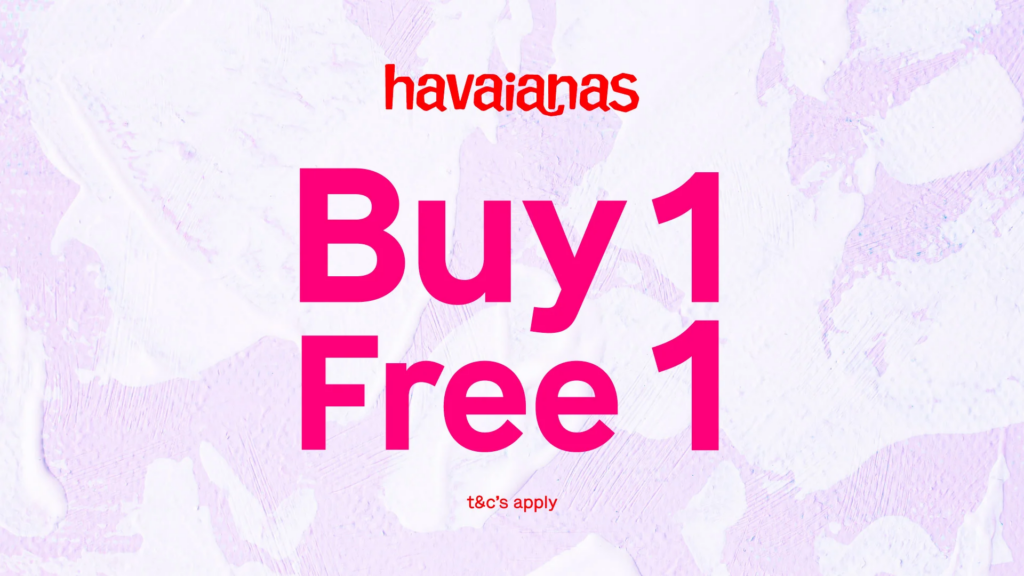
  • "Beli 1 Percuma 1"
  • "Jimat 50%"
  • "Penghantaran percuma dengan perbelanjaan minimum"

Walaupun pada asalnya tidak berniat untuk membeli, idea tentang "menjimatkan wang" membuatkan perbelanjaan itu terasa wajar. Ia membingkai pembelian tersebut sebagai satu kemenangan, bukannya satu kerugian.
Kesimpulan

Kita tidak menambah barang ke dalam troli tanpa berfikir kerana kita cuai. Kita melakukannya kerana sistem membeli-belah dalam talian direka untuk mencetuskan emosi, kemudahan, dan bias psikologi kita.

Bagi pemasar, memahami faktor ini membantu membina strategi yang lebih berkesan. Bagi pengguna pula, memahaminya membantu anda membeli-belah dengan lebih bijak dan sedar.

The Psychology of Why We ‘Add to Cart’ Without Thinking Twice

In today’s digital world, buying something online has become almost effortless. One moment you’re just browsing, and the next, you’ve added three items to your cart without even realising it. But why does this happen? Why do consumers make these quick, almost automatic purchase decisions?

The answer lies in consumer psychology: a mix of emotions, cognitive shortcuts, design strategies, and marketing triggers that influence our behaviour.

Let’s break down the real reasons behind this instant “add to cart” impulse.

Convenience Makes Us Think Less

Online shopping is designed to make decisions fast. With features like:

  • One-click checkout,
  • saved payment details
  • personalized recommendations

The brain doesn’t feel the same “resistance” it does in a physical store.

We don’t experience the weight of money leaving our hands, so the purchase feels lighter and more convenient.

The easier the process, the faster we can make a decision.

Emotional Triggers Drive Instant Decisions

Most of our purchasing decisions are emotional before they are logical.
Brands use certain emotions to push you toward that cart button, such as:

  • excitement
  • desire
  • fear of missing out
  • happiness
  • comfort

For example:
A skincare brand promising “glowing skin in 7 days” triggers excitement.
A fashion brand with limited stock triggers urgency.
A home product that makes life easier triggers a sense of comfort.

When an emotion is strong, the brain shortcuts the rational thinking process.

FOMO: The Fear of Missing Out

Nothing pushes people to act faster than the fear of losing something.

Marketers apply FOMO using:

  • “Only 3 items left!”
  • “Flash Sale ends at midnight!”
  • “Limited Edition release”

These cues activate the brain’s survival response: “If you don’t get this now, you’ll miss out.”
And just like that—boom—add to cart.

Social Proof Makes Purchases Feel ‘Safe’

Humans naturally trust other humans more than brands.

That’s why:

  • reviews
  • testimonials
  • unboxing videos
  • TikTok recommendations
  • influencer content

… plays a huge role in quick purchases.

When thousands of people say a product is good, consumers feel mentally reassured. It creates a sense of “everyone is buying it, so it must be worth it.

The Illusion of Saving Money

Sales, discounts, and promotions are not just marketing tools; they are psychological triggers.

Examples:

  • “Buy 1 free 1.”
  • “Save 50%.”
  • “Bundle and save more.”
  • “Free shipping with a minimum spend”

Even if the customer didn’t plan to buy anything, the idea of saving makes spending feel justified.
It frames the purchase as a winning decision, not a loss.

Conclusion: It’s Not Just Shopping, but It’s Psychology

We don’t add to the cart without thinking because we’re careless.
We do it because online shopping is designed to trigger:

  • emotions
  • convenience
  • cognitive shortcuts
  • psychological biases

For marketers, understanding these factors helps you build better strategies.
For consumers, understanding them helps you shop more consciously.

Either way, the mind plays a bigger role than we think.