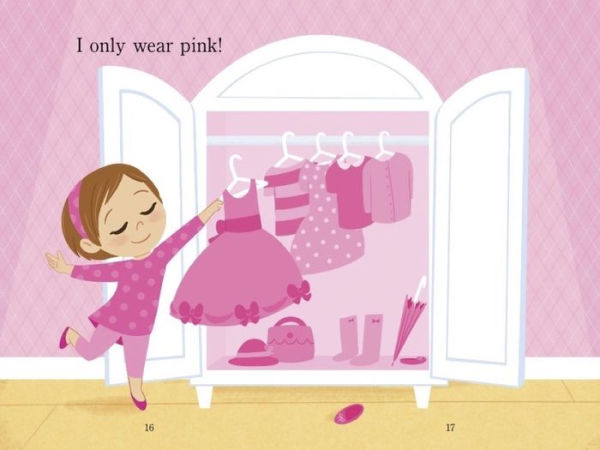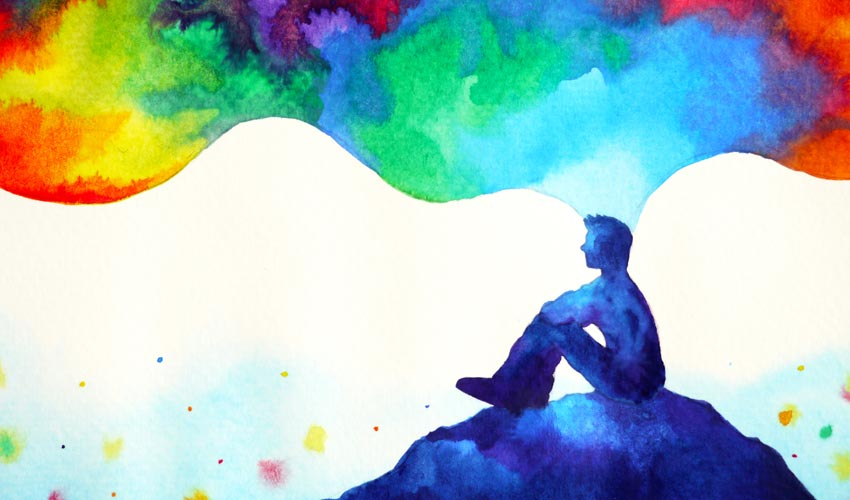
When it comes to marketing, every detail matters, and colour is one of the most powerful tools brands use to influence their audience.
Whether you realise it or not, the colours you see in ads, packaging, or websites can significantly affect your emotions, perceptions, and even buying decisions. Let’s dive into how it works and why it matters to consumers like you.
The Psychology of Colour in Marketing
Colours are more than just visual appeal; they carry psychological and emotional meanings. Marketers understand that different colours trigger different reactions, and they use this knowledge to shape the way we feel and behave. Here’s a quick breakdown:

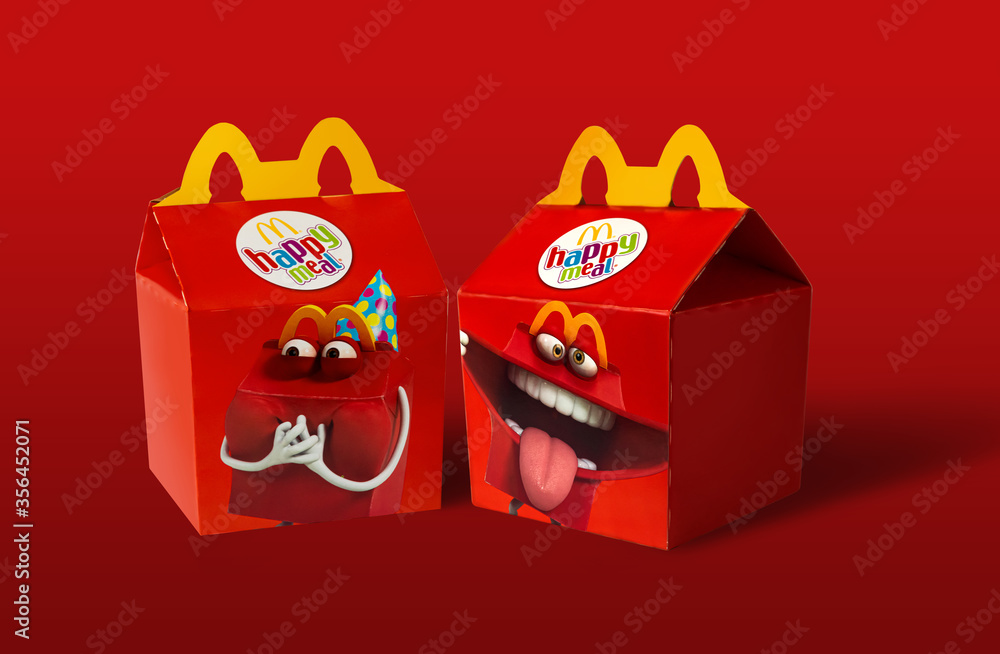
- Red: Creates urgency, excitement, and energy. Often used for sales, clearance, or fast-food brands.
- Blue: Conveys trust, calmness, and reliability. Popular among banks, tech brands, and health companies.
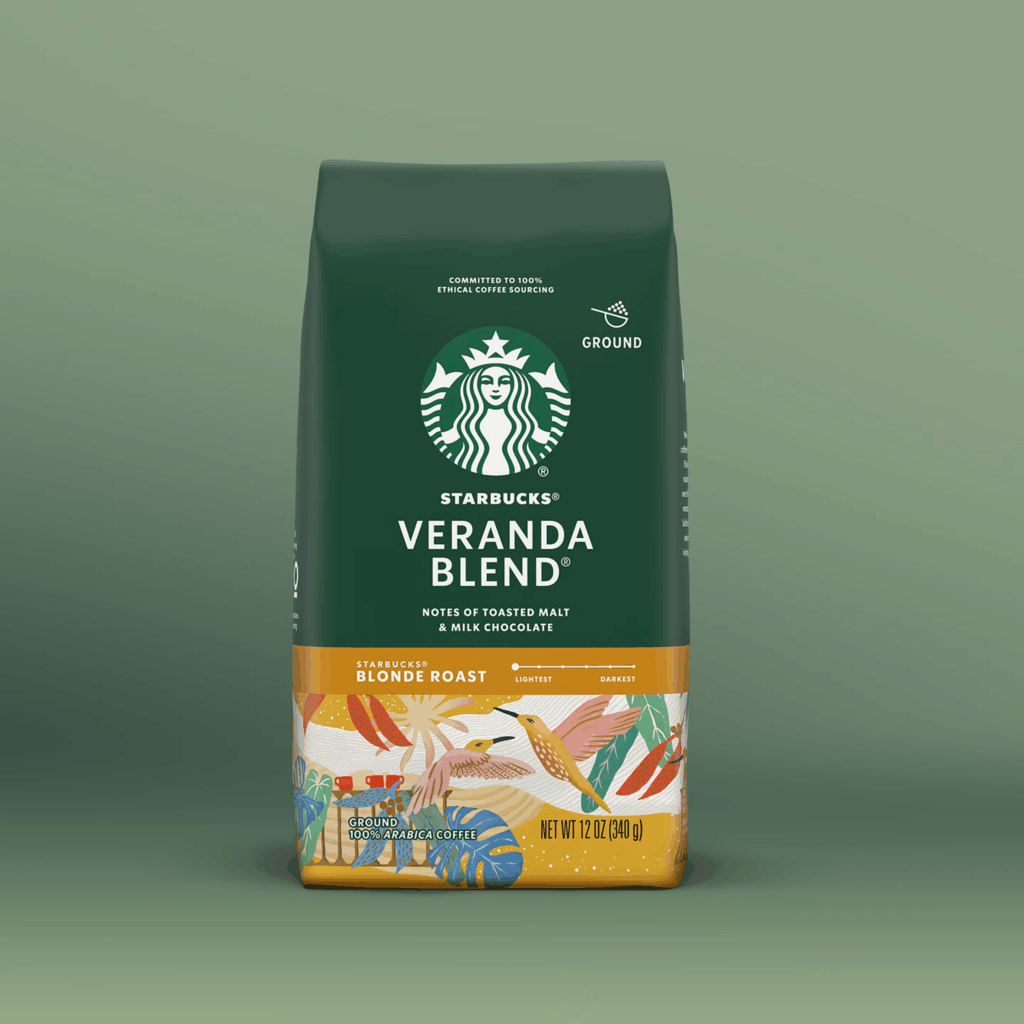
- Green: Associated with nature, health, and growth, and frequently used in eco-friendly or wellness brands.
- Yellow: Evokes optimism and attention. Perfect for promotions or cheerful branding.
- Black: Suggests sophistication, luxury, and authority. Often used by premium brands.
- Orange: Combines energy and friendliness. Great for call-to-action buttons and youthful brands.
- Purple: Symbolises creativity, wisdom, and luxury. Common in beauty or high-end products.
How Colours Affect Consumer Mood
Colours don’t just look pretty; they affect your mood and behaviour on a subconscious level. For example:
- A red “Buy Now” button can make you act faster because it triggers a sense of urgency.
- Blue packaging may make you feel more willing to trust the brand.
- Seeing green in food packaging can make you think it’s healthier or more organic.
Even the combination of colours can influence perception. Warm colours (red, orange, and yellow) tend to energise and excite, while cool colours (blue, green, and purple) create calmness and trust.
Why Brands Use Colour Strategically
Brands carefully choose colours because they have a direct impact on sales and customer loyalty. Some common strategies include:
- Brand Recognition: Colours make brands instantly recognisable. Think about Coca-Cola’s red or Facebook’s blue.
- Emotional Connection: The right colour can evoke the exact emotion a brand wants its customers to feel.
- Encouraging Action: From website buttons to in-store signs, colour can nudge consumers toward a purchase.
- Target Audience Appeal: Brands choose colours based on the age, culture, and preferences of their target audience.

Tips for Consumers: Be Aware of Colour Influence
Understanding how colours influence your decisions can help you make smarter choices:
- Don’t assume a product is better just because the packaging is luxurious or eye-catching.
- Take a moment to check reviews or product details before making an impulsive purchase.
- Notice which colours evoke certain emotions, and awareness can help to reduce impulsive purchases.
Conclusion
Colours are a silent persuader in the world of advertising. They shape how you feel, how you perceive brands, and even what you buy. The next time you scroll through ads or browse products, take a moment to notice how colour influences your choices.
You might be surprised how powerful this simple tool really is.
By understanding the psychology behind colours, consumers can make more informed decisions, and brands can create more meaningful connections with their audience