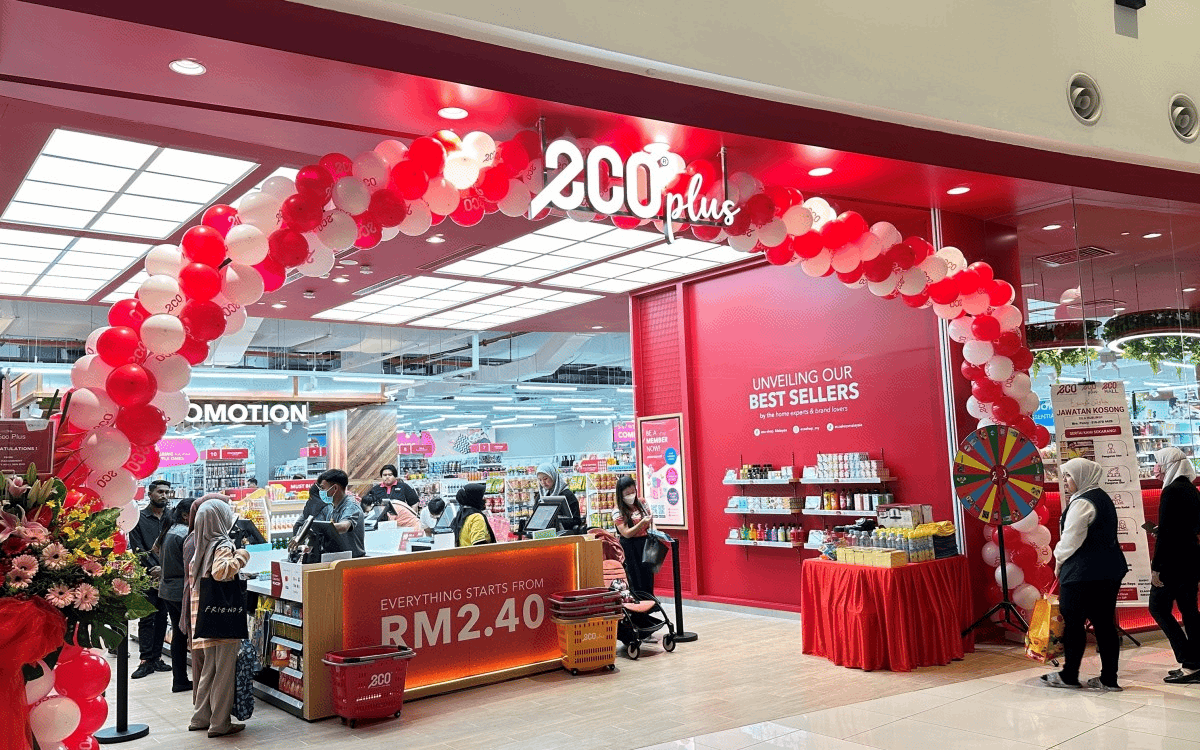
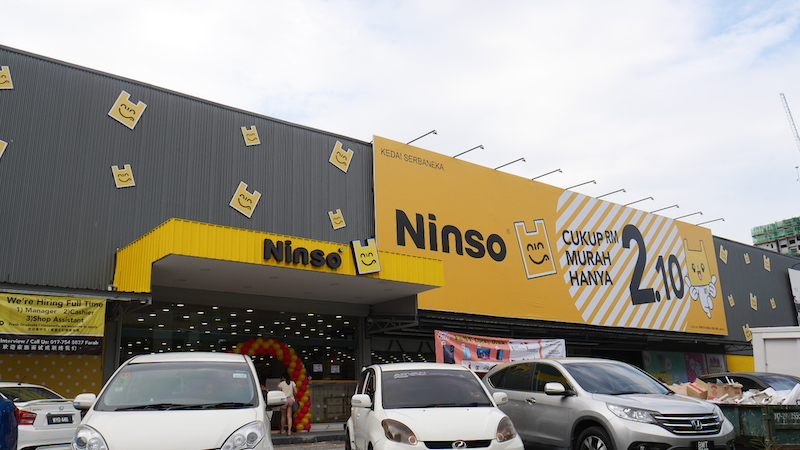
Have you ever walked into the RM2 shop, telling yourself you'll "just buy one thing", but ended up walking out with a whole bag full of items? You're not alone. Stores like Eco Shop, Ninso, and other RM2 concepts have mastered the art of attracting customers with clever marketing psychology. But what exactly is happening here?
Let's break it down.
@akakmaniz_ Done claim MyKasih dekat EcoShop 😝 #SumbanganAsasRahmah #SARA #mykasih #eco-shop #memudahkankehidupan ♬ sha nana amy mastura - UNCLE LAF 🇲🇾
- The Power of Psychological Pricing
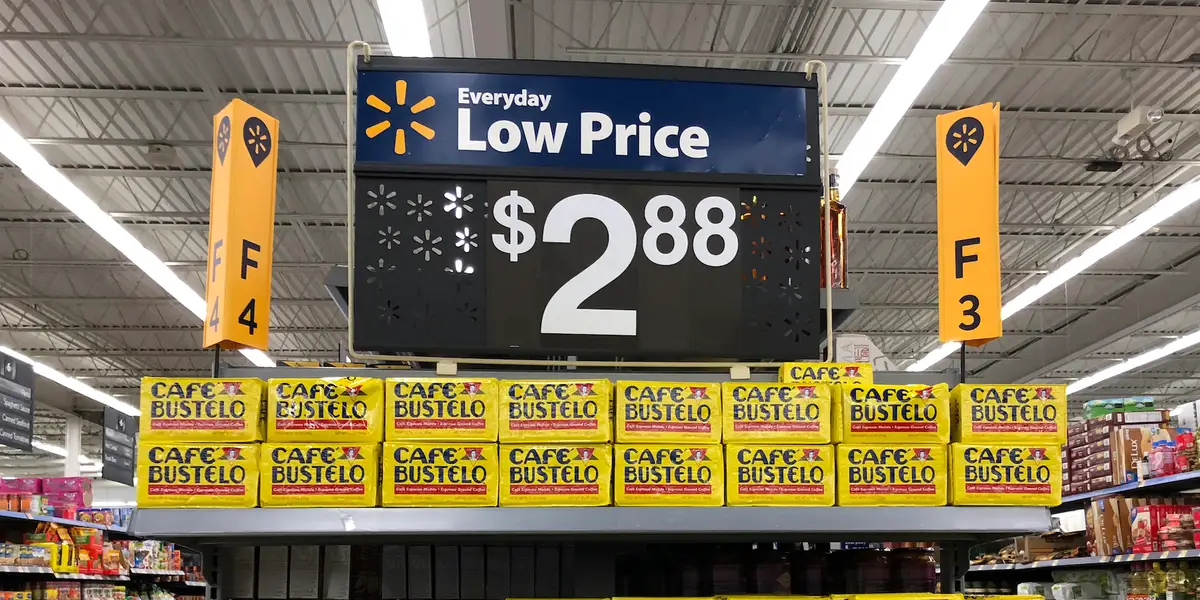
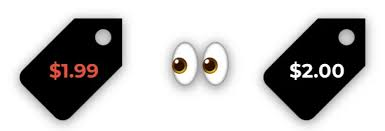
The "RM2" sign is simple. But it speaks directly to your brain. This is called psychological pricing. Instead of seeing multiple price tags, your brain processes "cheap, safe to buy, no need to think twice." It reduces decision fatigue, which makes you more likely to keep adding items to your basket.

2. Perceived Value: Small Price, Big Satisfaction
In marketing, we call this perceived value. Even if the product isn't worth much, the fact that you only paid RM2 makes you feel like you scored a great deal. That feeling is addictive, which is why customers keep coming back.
3. Impulse Buying Strategy
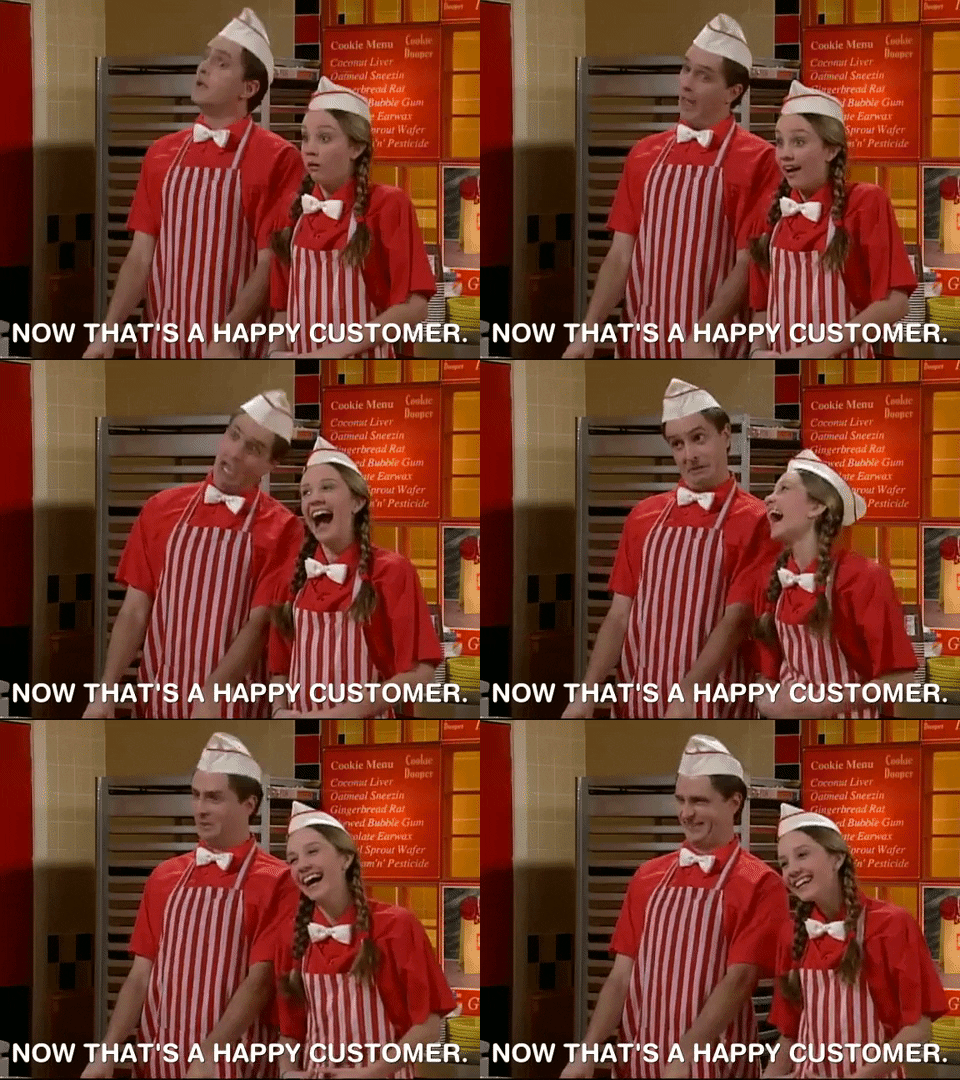
RM2 shops rely heavily on impulse buying. When every product feels "low risk", customers don't hesitate. Instead of calculating whether they need it, they will think: "It's just RM2, why not?" Multiply that by 10-15 items, and suddenly you've spent RM30 without realising it.
4. Mass Appeal Through Accessibility
Unlike premium brands, RM2 shops use a low-cost strategy that appeals to all income groups. From students to parents, everyone feels they can afford it. Accessibility creates a huge, loyal customer base.
5. Consistency in Branding
Eco Shop's bright red RM2 signage is not just design – it's branding. It's a promise. Customers know exactly what to expect, and that consistency builds trust. In marketing, this is referred to as brand positioning.
Final Thoughts
RM2 shops are more than just "cheap stores". They are smart businesses built on powerful marketing concepts: psychological pricing, perceived value, and low-cost strategies. By making shopping feel effortless and affordable, they turn every visit into a mini shopping spree.
So the next time you walk into Eco Shop "just for one thing", remember that you're stepping into a masterclass in marketing psychology.