

In today’s highly competitive business environment, marketing is no longer just about promoting products or closing sales. It has evolved into a more strategic approach that focuses on building long-term relationships with customers. This approach, known as 'relationship marketing', emphasises customer engagement, trust, and loyalty rather than one-time transactions.
As digital platforms continue to transform how businesses interact with their audiences, relationship marketing has become an essential strategy for sustainable growth.
What is Relationship Marketing?
'Relationship Marketing' (RM) refers to a strategy that focuses on creating and maintaining long-term relationships with customers. Instead of prioritising immediate sales, businesses aim to deliver continuous value, enhance customer satisfaction, and build strong emotional connections.
The main goal is simple:
to turn customers into loyal advocates who repeatedly choose the brand.

Traditional Marketing vs Relationship Marketing
Traditional marketing relies on offline channels such as television, radio, newspapers, and billboards. It is primarily a one-way communication method where businesses deliver messages without direct interaction with customers.

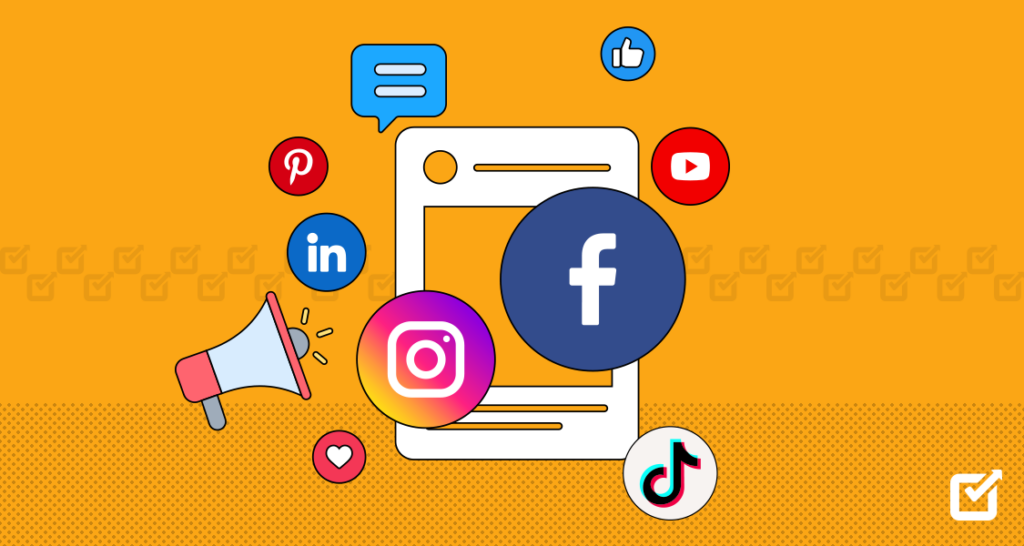
On the other hand, relationship marketing leverages digital platforms such as social media, websites, and email. It allows two-way communication, enabling businesses to interact with customers, respond to feedback, and build meaningful connections.
Additionally, digital marketing tools make it easier to measure campaign performance, track customer behaviour, and personalise marketing efforts, which is an advantage that traditional marketing lacks.
Limitations of Traditional Marketing
While traditional marketing played a significant role in the past, it presents several limitations in today’s digital landscape:
- Lack of interaction: Businesses cannot directly engage with customers.
- Difficult to measure effectiveness: It is challenging to track how many customers respond to a campaign.
- High costs: Advertising through traditional channels can be expensive and less targeted.
These challenges have contributed to the shift towards relationship marketing.

Factors Driving the Growth of Relationship Marketing
Several key factors have influenced the development of relationship marketing:
1. Growth of Service Marketing
Modern consumers value not only products but also the experience and service quality provided by a brand.
2. Changing Customer Expectations
Customers today expect personalised experiences, quick responses, and brands that understand their needs.
3. Cost Efficiency
Retaining existing customers is significantly more cost-effective than acquiring new ones. Loyal customers also tend to spend more over time.
4. Technological Advancements
Technology enables businesses to collect and analyse customer data, personalise offerings, and maintain continuous communication.
The Role of Technology in Relationship Marketing
Technology plays a crucial role in enhancing relationship marketing strategies. Businesses can now:
- Track customer purchasing behaviour.
- Personalize promotions and recommendations
- Communicate through multiple digital channels
- Improve service quality and reduce errors
These capabilities allow companies to deliver a more tailored and satisfying customer experience.
Benefits of Relationship Marketing
Implementing relationship marketing offers several advantages:
- Increased customer loyalty
- Higher customer retention rates
- Improved customer satisfaction
- Stronger brand reputation
- Long-term profitability
By focusing on relationships rather than transactions, businesses can create a stable and loyal customer base.

Relationship marketing represents a significant shift from traditional, transaction-based marketing to a more customer-centric approach. In an era where customers have countless choices, building strong relationships is the key to standing out.
Businesses that invest in understanding, engaging, and supporting their customers will not only achieve higher retention but also long-term success.