When Entertainment Meets E-Commerce: How Did @kakak_naga Turn Toys into a Viral Trend?

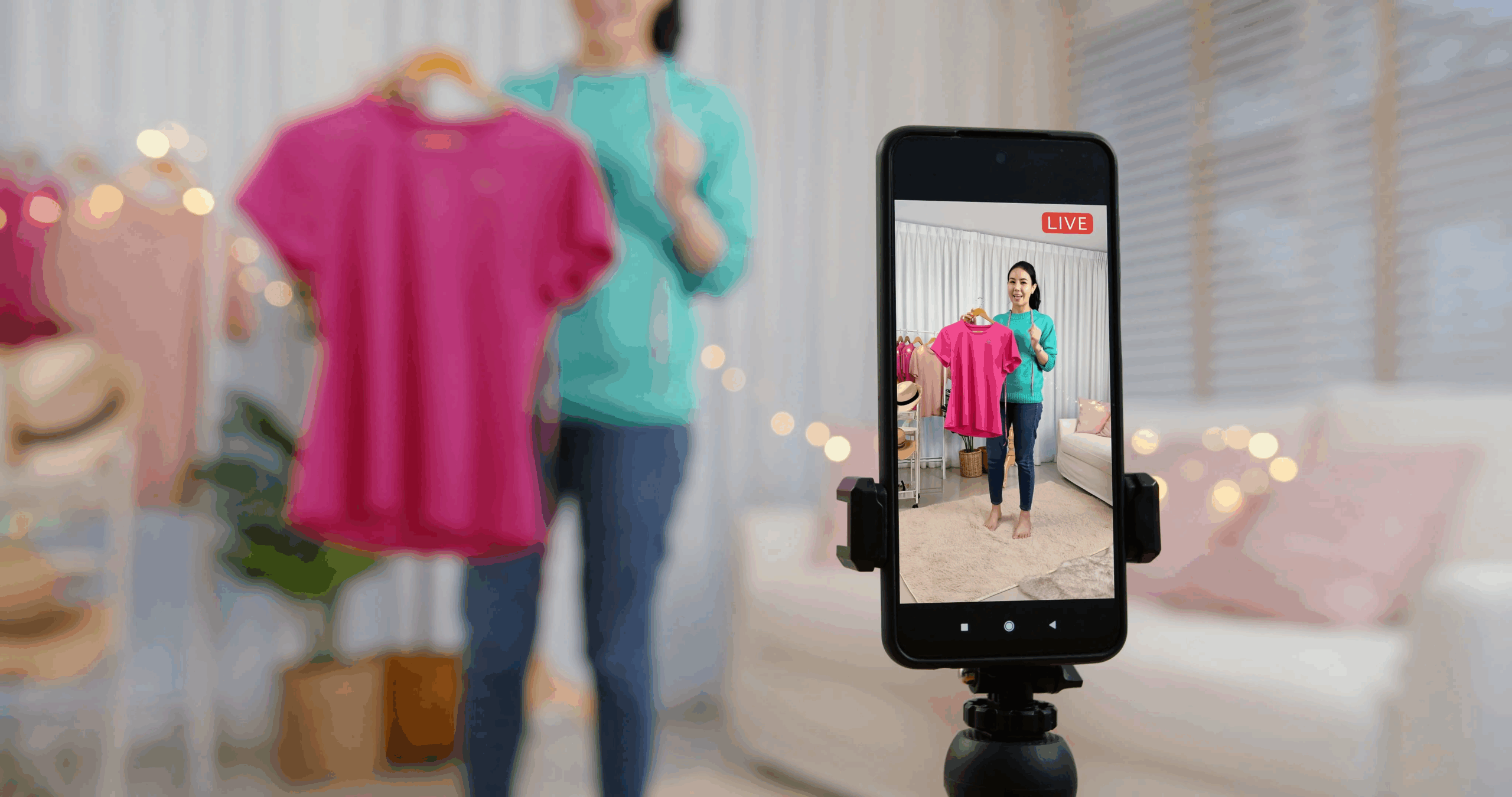
If you’ve been scrolling on TikTok lately, there are chances you’ve bumped into a viral live seller known as @kakak_naga. And if you haven’t—well, let me introduce you. She’s the woman who managed to turn children’s toys into one of the most talked-about TikTok Shop experiences, simply by making her live streams fun and entertaining.

So what’s the hype all about?

@kakak_naga korang jgn lupe jumpa akk di bbs dataran ilmu selayang..ajommm serbu @Tonny Avida Beauty ♬ original sound - kakak_naga

Imagine this: she’s selling dancing toys that play music, and instead of just holding it up and saying, “Here’s a toy, buy now,” she actually dances along with the toy. Yup, she follows the beat, moves to the rhythm, and suddenly, her life feels less like a sales pitch and more like a mini show. Cute, funny, and honestly hard to scroll past.

And here’s the genius part: it’s not just kids who want the toys after watching her live. Parents are also drawn in because it looks so fun and joyful. That’s a double win that she’s targeting both the kids who want the toy and the parents who buy it.

But this goes beyond just dancing and laughing. In the world of marketing, what @kakak_naga is doing is called 'shoppertainment'—a mix of shopping and entertainment. It’s a strategy that big brands are already pushing, especially in e-commerce, because customers don’t just want to buy things; they want an experience.

Now, here’s where it gets even more interesting: the music. One of the toy’s songs became so recognisable on TikTok that people started associating it directly with her. Every time someone hears that tune, they immediately think of @kakak_naga. That’s a powerful brand association right there. Even though she’s not a global company, she’s managed to own a piece of internet culture just by being consistent and entertaining.

And of course, this leads to the viral effect. More viewers on her live, more shares on TikTok, more parents talking about her… And you can guess the rest—more sales.

So, what can we actually learn from this as marketers?

  1. Entertainment sells – People are more likely to stay, watch, and eventually buy if the content feels fun.
  2. Create an experience, not just a pitch – Customers don’t always remember the product details, but they’ll remember how you made them feel.
  3. Association is everything – that toy music is now her “signature sound”. That’s branding without even calling it branding.
  4. Virality isn’t luck; it’s strategy – she consistently delivers entertaining lives, which increases her chances of being shared and noticed.

At the end of the day, marketing is no longer about simply selling a product—it’s about telling a story, entertaining your audience, and creating moments they can connect with. And honestly? @kakak_naga nailed it.

Who knew that dancing with a toy could turn into one of the best marketing case studies on TikTok Shop?

From Cups to Cuddles: How Plushie Strategy Taking Over Malaysia’s F&B Brands

Do you realise that every time you walk into any café in Malaysia today, you might notice something different? Customers aren’t just walking out with drinks; they’re walking out with plushies. From ZUS Coffee to Chagee and even Beautea, brands are now tapping into the power of “cute marketing” by offering free plush toys alongside their products. What might look like a simple giveaway is actually a clever strategy: it sparks excitement, drives repeat purchases, and turns everyday beverages into collectible experiences. The question is, why are Malaysian customers so drawn to these plushies, and how are these brands turning soft toys into hard sales?

Let's take ZUS Coffee, for example. On June 15, the brand launched its latest campaign: “emotional support buddies” plushies, free with every purchase of RM25 and above. Running from June 16 to July 27, each week highlights a different emotion: anxiety, disgust, fear, sadness, anger, and joy, which are brought to life by six adorable characters like Blue Buddy, Pinky Boo, Frappe Fen, Choco Chipster, Porta Pal, and Bean Boss. Customers can collect up to 36 plushies throughout the campaign, and yes, they’re already popping up online as full box sets and even cute tumbler straw stoppers.

What’s brilliant here is when the existing customers are chasing release dates just to complete their collections, while new customers, who might not even be coffee drinkers, are tempted to buy just for the plushies. In the end, it’s more than just caffeine; it’s a clever way to win hearts (and sales).

 In celebration of Merdeka 2025, ZUS Coffee also took things up a notch by collaborating with FamilyMart. From 20 August until 23 September, customers could get their exclusive plushies simply by spending RM38 on any ZUS products available at FamilyMart outlets nationwide. To make the hype even stronger, ZUS also rolled out mini plushie keychains, priced at RM99 for a complete set on TikTok Shop. It’s a smart move; not only does it keep the plushie craze alive, but it also taps into new sales channels and partnerships, proving that the “cute factor” can go way beyond the café counter.

@yenn.nurinn Heyy i got this one 😍 tag Chagee suruh restock lagi banyak guys! 😭 masih ramai lagi yang hunting plushie chageee ni kan 🥺 outlet kami pun sold out dalam masa sejam lebih sahaja 🙂‍↕️ @CHAGEE MY #CHAGEEBESTEA #BESTEAMOMENT #chageebestea #fyp #fypシ #fypシ゚viral #fypage #fyppppppppppppppppppppppp #chagee ♬ suara asli - 마마 셀라❤️ - 마마 셀라❤️:𝐌𝐚𝐦_𝐒𝐞𝐥𝐥

While at CHAGEE, the tea brand kicked off its Bes-tea Plushie Promotion on July 18, 2025, giving its customers in  Malaysia a new reason to sip their favourite blends. The campaign, which also rolled out in Singapore and Thailand, brings limited-edition plushies inspired by CHAGEE’s bestselling drinks, like the Peach Polong Milk Tea and BO·YA Jasmine Green Milk Tea. Each plushie even comes in a blind box with its own “identity card”, making the hunt to collect them even more exciting. In Malaysia, customers can get these cute plushies by purchasing two-drink bundles at any CHAGEE outlets available in Malaysia; this proves once again that tea time can be just as much about collectibles as it is about the drinks.

Meanwhile, Beutea also jumped on the hype with its “Tea Time Plush Pendant Blind Box”, launched on July 11 alongside a brand-new drink, the Garden Wheat series. The deal was simple: order any Garden Wheat drink through the Beautea app, top up just RM14.90, and you’d unlock an exclusive blind box plushie. With five adorable designs: White Peach, Jasmine, Bitter Gourd, Grape, and Snowy Cream—customers suddenly had a new reason to click “order”. Cute, affordable, and limited, it’s the kind of combo that makes you want to collect them all before they’re gone.

If you think about it, this whole plushie craze kind of feels like a grown-up version of what McDonald’s Happy Meal toys used to do, except now it’s not just for kids; it’s for all of us. Whether it’s ZUS Coffee, CHAGEE, or Beautea, these brands are proving that a little “cute factor” can go a long way. Plushies have officially become one of the hottest marketing trends in Malaysia, especially for Gen Z, who love collecting, sharing, and showing them off online. At the end of the day, it’s not just about the drink anymore; it’s about the experience.

The Creator Economy Battleground: Where Authenticity Meets Innovation

The global creator economy is expected to hit RM2.3 trillion (USD 500 billion) by 2027. Malaysia, with its TikTok-first generation and fast-growing e-commerce scene, is becoming one of Southeast Asia’s most exciting battlegrounds.

For creators, platforms, and brands, the stakes are higher than ever. Who will control the future of attention, revenue, and authenticity?


Malaysian Creators Want More Than Just Views

TikTok and Instagram dominate Malaysia’s digital life, but creators are learning not to depend on algorithms. Subscription models (Patreon, Substack), affiliate platforms (Involve Asia, LTK), and even direct-to-consumer product lines are giving Malaysian influencers more control.

For brands, this means campaigns can’t just be one-off collabs. The smart move is to invest in creator-owned ecosystems from newsletters to podcasts that keep audiences engaged long after the campaign ends.


Nano & Micro-Influencers Are Malaysia’s Hidden Gem

While mega influencers charge upwards of RM50,000 per post, brands are discovering that nano (1K–10K followers) and micro (10K–100K) influencers deliver stronger ROI.

A local beauty brand recently drove 40% more conversions using 20 micro-creators at RM1,000–RM3,000 per post each, instead of one celebrity partnership.

The lesson? Trust and relatability trump reach.


Affiliate Marketing Is No Longer “Cheap”

Affiliate links once felt too transactional, but in Malaysia’s booming e-commerce scene, it’s becoming the preferred model. TikTok Shop, Shopee Affiliate, and Lazada Affiliate are reshaping how creators earn.

  • A fashion creator can earn RM10–RM50 per sale through affiliate programs.
  • Brands, meanwhile, only pay when results are delivered—a win-win.

The shift signals a performance-first economy, not just “influencer fees.”


Creators Are Building Their Own Brands

From Nadhir Nasar’s streetwear collabs to beauty influencers launching skincare lines, Malaysian creators are going beyond sponsorships. They’re building brands that can generate six to seven-figure revenues in Ringgit.

By 2025, 9 in 10 Malaysian creators are expected to have their own products or service offerings. For brands, the opportunity lies in co-creation: collaborating with creators to develop products that audiences already trust.


AI: Malaysia’s Double-Edged Sword

Generative AI is already helping creators in KL and Penang churn out faster edits, AR filters, and auto-captioned content. But overuse risks losing the “Malaysian touch” that makes local content relatable—slang, humour, and cultural nuance.

The future? AI for efficiency, humans for authenticity.


Lessons for Malaysian Brands & Creators

  • Don’t depend on one platform. Build beyond TikTok or IG.
  • Work with micro-creators. RM1,000–3,000 budgets can outperform RM50,000 celeb campaigns.
  • Go affiliate-first. Pay for performance, not just “exposure.”
  • Co-create products. Turn influencers into business partners.
  • Balance AI with culture. Use tech to scale, not erase personality.

The Bottom Line

The Malaysian creator economy is no longer “side-income” it’s a multi-billion Ringgit industry in the making. Creators aren’t just marketing tools; they are media companies, retailers, and cultural architects in their own right.

Brands that treat creators as equal partners, not just billboards, will be the ones that thrive in Malaysia’s digital-first future.

Affiliate Marketing in 2025: The Video-First Revolution & Smart Multichannel Fusion

If you’ve been around digital marketing as long as I have, you’ve probably heard this question a thousand times: “Is affiliate marketing dead?”

And every time, I laugh a little. Because here we are in 2025, watching affiliate marketing not just survive but thrive thanks to video-first storytelling, smarter tech, and a whole new breed of creators.

Affiliate marketing isn’t fading. It’s evolving. And the brands that recognize this shift are the ones cashing in.


Video Is the New Affiliate Superpower

Let’s start with the obvious: video eats everything. Short-form clips, live shopping streams, interactive demos these are not “extras” anymore. They’re the main show.

When I scroll through TikTok, it’s not just creators dancing or lip-syncing, most of the time it's just creators casually demoing products, answering FAQs, and nudging you straight into a purchase without leaving the app. TikTok Shop in Malaysia now logs 100 million product searches per day. That’s not just traffic; that’s intent.

My take: Video is the closest thing to real human persuasion in the digital world. If affiliates aren’t showing how a product fits into someone’s life, they’re leaving money on the table.


Social Discovery > Search

Another shift I’ve noticed: people aren’t starting their shopping journey on Google anymore. They’re starting on TikTok, Pinterest, or Instagram.

Platforms like Pinterest’s Product Pins or Instagram’s shoppable Reels are taking people from inspiration to purchase in one swipe. That’s dangerous if you’re still betting only on SEO or PPC.

My take: Think of social as the new storefront window. If you’re not discoverable in that “browse mode,” your competitors will be.


CPS Is the Future of Affiliate Partnerships

We’ve worked with brands that still obsess over clicks. But in 2025, clicks mean less than ever.

What’s growing instead? Cost-per-sale (CPS) deals. These models reward affiliates for actual conversions, not vanity metrics. And honestly, it’s better for everyone. Affiliates earn based on performance. Brands pay for results, not just traffic.

My take: If you’re still signing affiliates on a “pay per click” basis, you’re living in 2015. It’s time to align incentives.


Attribution Finally Catches Up

One of the biggest headaches in affiliate marketing has always been attribution. Who gets credit when a user views a TikTok video, reads a blog review, and clicks a search ad before buying?

Good news: 2025’s attribution tech is finally catching up. Multi-touch tracking tools now follow the customer journey across formats, devices, and platforms.

My take: This is a game-changer. Stop guessing which channel works—start investing in the ones that actually close sales.


The Hybrid Blueprint: Layer, Don’t Replace

Here’s where I see a lot of brands go wrong: they panic when new platforms explode. “Should we ditch PPC for TikTok Shop?” No. That’s short-sighted.

The winning brands layer. They keep their PPC and SEO engines running (those channels still drive volume, especially for research-driven buyers), and they add video, livestream, and social commerce on top.

My take: It’s not about replacing channels. It’s about creating a stack that works together. Think of it as compounding interest—the more touchpoints you layer, the higher your conversion rate climbs.


The Creator Economy Effect

I’ll be honest: I used to think affiliate links were “low-tier” for influencers. But not anymore. Platforms like ShopMy and LTK have completely reframed affiliate marketing. Today, high-value creators use affiliate links proudly—because it proves they convert.

In fact, some brands now only partner with creators through affiliate program, because it guarantees ROI. That’s a huge power shift in the influencer world.

My take: Don’t just chase big names. Work with micro-influencers who have loyal, purchase-ready audiences. They’ll outperform celebrities nine times out of ten.


Key Takeaways for 2025

If I had to distill everything I’ve learned this year, it would be this:

  1. Video isn’t optional. Train your affiliates to sell through storytelling, not static links.
  2. Social discovery is the new search. Be present where people scroll, not just where they search.
  3. Switch to CPS. Align incentives so everyone wins only when sales happen.
  4. Trust attribution tech. Follow the real customer journey, not vanity numbers.
  5. Go hybrid. Layer PPC, SEO, video, and social—don’t trade one for the other.
  6. Choose performance-driven creators. Engagement > follower count. Always.

Final Word

Affiliate marketing in 2025 is not a relic of internet history, it’s a rebirth. It’s more visual, more interactive, and more measurable than ever before.

The brands that thrive will be the ones who stop asking “is affiliate still worth it?” and start asking “how can we make affiliate part of every channel we touch?”

And trust me: once you see those video-driven affiliate sales rolling in, you won’t look back.

TikTok Marketing Trends: Europe vs. U.S. vs. Malaysia

Europe

  • Social Commerce Expansion (TikTok Shop): TikTok Shop is reinforcing TikTok as a major player in Europe’s beauty and retail sectors. In the UK, it's already the fourth-largest beauty retailer, with products selling at a pace of one per second. Social commerce via live shopping and shoppable videos is gaining rapid traction. Major brands like Estée Lauder are shifting focus to reach younger, digital-native consumers via TikTok’s discovery-commerce model.
  • Brand Authenticity & Community Engagement: European marketers prioritize tailor-made TikTok content leveraging trends to build brand awareness and interactions. Creating TikTok-specific strategies, partnering with creators, and tracking engagement metrics remain key best practices.
  • Regulatory Hurdles: TikTok faces restrictions—from bans on government devices (e.g., EU institutions) to broader regulatory scrutiny limiting its operational and marketing reach in certain sectors.

United States

  • Reaching Saturation Point: Whereas TikTok’s global ad reach soared in early 2025, the U.S. saw a slight decline (~2.2%) suggesting potential market saturation or regulatory/targeting limitations.
  • Viral Product Power: Platforms like TikTok are exceptionally influential in driving viral purchases particularly in beauty and lifestyle. The integration of TikTok Shop amplifies product discovery and conversion, though managing inventory and sustaining momentum remains a challenge.

Malaysia (and Southeast Asia)

  • Explosive Growth in Ad Reach: Q1–Q2 2025 registered massive ad reach growth in Malaysia (~+60.1%), with neighboring Indonesia and Vietnam showing even higher momentum.
  • High User Attention: Malaysians spend about 90 minutes daily on TikTok (nearly 39 hours per month), making it a hotbed for engagement and content consumption.
  • Strong Regional Penetration: TikTok Ads searches are notably high in Kelantan and Terengganu—showing mobile-first and localized adoption beyond urban centers.
  • Leading via Content Innovation: Brands like Maybank are setting the standard with educational campaigns (“You Ask, MAE Answer”), while local shops dominate TikTok Shop in beauty niches. Posts from the community indicate leaders like Glad2Glow, SkintificMalaysia, and O.TWo.0 Beauty-MY achieving hundreds of millions to over a billion impressions and multi-million sales.
  • Algorithm-Focused Strategy: Success on TikTok in Malaysia increasingly hinges on smart use of trends, strong hooks, community interaction, micro-influencers, livestreams, and hashtag challenges.

What We Can Learn

InsightEurope & U.S.Malaysia & SEAKey Lesson
TikTok Shop PotentialGaining major ground in beauty and e-commerceAlready exploding, especially in beauty and niche local marketsAct fast to integrate e-commerce—unlock direct consumer purchase via native TikTok features
Engagement StrategyPlatform-specific content + creator-driven storytellingTrend-savvy, authenticity, localized & regional relevanceBe native: hook fast, ride trends, tailor by region
Growth DynamicsSlower in adoption; regulatory and market saturation concernsRapid expansion and high engagement statsPrioritize emergent markets like Malaysia for campaign rollouts
Inventory & OpsViral boosts but logistical strain possibleLocal beauty shops scaling fast—impression counts matterBuild infrastructure for fulfillment and demand surges
Creator PartnershipsKey to reach and authenticityMicro-influencers driving trust and reachInvest in local creators with high engagement—relationship > follower count
Regulatory LandscapeWatch for policy shifts and bansFew restrictions in Malaysia currently, barring licensed industries (e.g., finance)Stay compliant especially in sensitive sectors

Final Thoughts

Malaysia & Southeast Asia: TikTok is booming. Brands here unlock brand lift and sales through trend-driven content, local relevance, and native commerce.

Europe & U.S.: TikTok is a powerful marketing engine, especially in beauty and e-commerce but strategy must account for market maturity and regulatory friction.

Malaysia’s 2025 Marketing Buzz: Playful, Purposeful & Powerful

1. Malaysia Airlines' “Time For” Campaign: Jet-Set Storytelling

Malaysia Airlines kicked off 2025 with a global campaign called “Time For”, encouraging travelers to embrace exploration and memorable journeys by being the gateway to Asia. From tram wraps in Melbourne to branded taxis in the UK this multi-touch activation supported Visit Malaysia 2026 and came paired with fare discounts, upgraded in-flight experiences (“Chef on Call,” premium amenity kits), and perks for families traveling with kids.

Lesson:

  • Do create globally visible experiences that also elevate your country's profile.
  • Don’t let promotions feel generic—pair them with immersive, localized value and storytelling.

2. Starbucks Malaysia’s #MY Cups of Kindness: Sips & Stories

Starbucks Malaysia dialed right into hearts (and the Q1 earnings). Their #MY Cups of Kindness campaign featured limited-edition reusable cups with customizable kindness messages and partnered with beloved local influencer Neelofa. Each purchase helped fund community development projects, and stories went viral on TikTok especially when users customized their cups with heartfelt doodles.

Lesson:

  • Do combine personalization, influencers, and charitable giving to tap into local values.
  • Don’t treat CSR as a side note—make it part of your central narrative.

3. TikTok Ads: Malaysia’s Digital Marketing Game-Changer

TikTok Ads are surging in popularity across Malaysia, with usage skyrocketing and campaign interest now rivaling Facebook and Google. What’s fascinating? States like Kelantan and Terengganu are leading the trend—proof that this isn’t just an urban KL phenomenon Tech TRP.

Lesson:

  • Do adopt fast, engaging creative tactics on platforms where your audience already spends time.
  • Don’t ignore regional pockets—they might hold the next big wave.

4. Tourism Malaysia’s Echoes of Harmony: Beauty in Rhythm

To steer Visit Malaysia 2026 into global consciousness, Tourism Malaysia unveiled its cinematic “Echoes of Harmony” video series framed by a beduk drum, trails through rainforests, cultural dances, and multisensory storytelling. Narrated in Arabic, Mandarin, and English, it invites international viewers to feel Malaysia and not just see it Marketing InteractiveTravel And Tour World.

Lesson:

  • Do lean into emotional resonance, multi-sensory storytelling, and accessibility for diverse markets.
  • Don’t fall back on dry, conventional promotion—it's the soul of the message that lingers.

5. Malaysia’s Unified Travel Mascots & Branding: Wira & Manja Shine

The Visit Malaysia 2026 campaign also debuted batik-patterned logos and two sun bear mascots—Wira and Manja—symbolizing heritage and wildlife conservation. The design, unveiled by the Prime Minister, received widespread affection, with fans clamouring for merch like mascot dolls Hype MalaysiaTourism Malaysia.

Lesson:

  • Do create lovable symbols (hello, mascots!) that embody cultural identity and spark fan engagement.
  • Don’t overlook the emotional pull of thoughtful design and character-driven storytelling.

TL;DR: Malaysia’s Marketing Magic of 2025

CampaignWhat WorkedFun Lesson
Malaysia Airlines – "Time For"Global reach + local hospitality + travel dealsBe the passport to experience, not just products.
Starbucks – #MY Cups of KindnessPersonalized product + influencer + charityLet customers wear and share your values.
TikTok Ads SurgeShort-form creativity, viral reach, rural lift-offDance where your audience dances—don’t just follow, trend.
Tourism Malaysia – "Echoes of Harmony"Emotional narrative + cultural immersion + multilingual appealHeart over hype wins every time.
Visit Malaysia 2026 MascotsInclusive design + national pride + adorable iconsGive nation branding a soft spot to hug.

So, what does this mean for your brand?

  1. Localize globally. Whether you're telling Malaysia's story or your brand’s, anchor it in local authenticity while speaking to global hearts.
  2. Make people part of the story. Be it through user-generated kindness, mascot reactions, or regional engagement, give fans something to create around.
  3. Invest in emotion. Ads are everywhere but stories that make you feel are what people remember.
  4. Use new platforms before they’re old news. TikTok is still scaling—ride the train, don’t chase it later.
  5. Symbolism sells. A well-crafted mascot or culturally rich design can become more powerful than any ad spend.

Want to brainstorm how to integrate these insights into your planned campaigns? Or dig deeper into any of these case studies? I’m ready to help you craft something truly Malaysian—and magically memorable!

AR + Metaverse = The Ultimate Shopping Experience in 2025

Imagine trying on a luxury watch without visiting a store, testing how a new couch fits in your living room before buying, or even attending a virtual sneaker drop where you can inspect every stitch in 3D. This isn’t sci-fi—it’s the future of shopping, powered by Augmented Reality (AR) and the Metaverse.

By 2025, 70% of retail brands will integrate AR and Metaverse experiences into their shopping journeys. Why? Because customers demand immersive, interactive, and instant ways to shop—and the brands that deliver will dominate.

Let’s break down how AR + Metaverse is revolutionizing retail—and how your business can leverage it.


1. Virtual Try-Ons: No More "Will This Look Good on Me?"

(Example by PerfectCorp)

Problem: Online shoppers hate returns (and so do retailers).

Solution: AR-powered virtual try-ons that let customers:

  • See makeup on their skin tone in real-time (Sephora’s Virtual Artist)
  • Try glasses, jewelry, or watches (Warby Parker, Ray-Ban)
  • Test hair colors before committing (L’Oréal’s Style My Hair)

2025 Upgrade: In the Metaverse, users will save their digital avatars and reuse them across brands so their virtual "try-on" profile stays consistent.


2. "See It in Your Space" Before You Buy

Problem: Buying furniture online is a gamble.

Solution: AR room placement (IKEA Place, Amazon’s Room Decorator) lets shoppers:

  • Visualize furniture in their actual home
  • Check sizing and fit before purchasing
  • Mix and match styles without visiting a store

Next-Level Metaverse Integration: Soon, you’ll walk through a virtual showroom in VR, customize products in real-time, and even collaborate with friends on decor choices.


3. Digital-Physical Hybrid Stores ("Phygital" Shopping)

Problem: Physical stores have limited space; online stores lack tactile experiences.

Solution: Metaverse pop-up shops where users:

  • Browse in VR (like Samsung’s 837X store in Decentraland)
  • Scan QR codes in-store to unlock AR experiences (e.g., Nike’s hidden SNKRS AR drops)
  • Buy digital twins of physical products (wear a virtual version first)

Brand Example: Ralph Lauren lets Roblox players dress their avatars in digital Polo gear—then buy the real thing IRL.


4. Live AR Shopping Events & Social Commerce

Problem: Traditional live shopping is passive.

Solution: Interactive AR shopping streams where viewers:

  • Click to try on featured products in real-time
  • Vote on styles (influencers adjust looks live)
  • Join virtual queues for limited drops (like Supreme’s AR-powered releases)

Why It Works:
➜ 35% higher conversion vs. standard video (Meta)
➜ Gen Z spends 2X more in social commerce vs. traditional eCommerce


5. The Future: AI Stylists + AR + Metaverse Closets

Coming soon:

  • AI-powered stylists that learn your taste and suggest outfits.
  • Digital wardrobe apps where your real and virtual fashion syncs.
  • NFT-backed clothing you can resell or trade in the Metaverse.

Example: DressX already lets you rent digital-only fashion for social media—soon, it’ll be your Metaverse wardrobe too.


Final Takeaway: The Store of the Future Is Everywhere

Shoppers no longer separate online vs. offline—they expect seamless, immersive experiences everywhere. Brands that combine AR + Metaverse + AI will win loyalty, reduce returns, and stand out in 2025.

Metaverse Marketing in 2025: How Brands Are Winning in Virtual Worlds

The Metaverse isn’t just for gamers and crypto enthusiasts anymore it’s the next frontier for savvy marketers. By 2025, experts predict that 70% of brands will have some presence in virtual worlds, from digital storefronts to immersive ad experiences.

If your brand is still stuck in the "real world," you're missing out on billions in virtual commerce, engagement, and loyalty.

Ready to dive in? Here’s how Metaverse marketing is evolving in 2025 and how your brand can dominate.


1. Virtual Branded Experiences (Beyond Just "Being There") 

Gone are the days of brands just dropping a basic 3D store in the Metaverse. In 2025, winning companies are creating interactive, gamified experiences that keep users coming back.

Examples:

  • Nike’s - Swoosh World – Where users design and trade virtual sneakers.
  • Coca-Cola’s Pixel Party – A VR concert series with exclusive NFT rewards.
  • Gucci’s Digital Fashion Hub – Where avatars try on limited-edition digital wearables.

Pro Tip: Don’t just exist in the Metaverse, create a reason for users to stay and engage.


2. Metaverse Influencers & Digital Avatars 

Move over, human influencers - AI-driven virtual personalities are taking over.

Brands are now partnering with digital avatars (like Lil Miquela or AI-generated brand reps) to promote products in virtual spaces.

Why It Works:

24/7 availability – No scheduling conflicts, no scandals.
Full creative control – No risk of an influencer going rogue.
Hyper-personalization – AI adjusts messaging in real-time based on user behavior.

2025 Prediction: At least one major brand will replace its human ambassador with a custom AI avatar.


3. NFT 2.0: Utility Over Hype 

NFTs flopped in 2022… but in 2025, they’re back smarter and more functional.

How Brands Are Using NFTs Now:

  • Virtual loyalty passes (e.g., Starbucks’ Odyssey rewards).
  • Exclusive Metaverse event tickets.
  • Digital twins of physical products (buy IRL, unlock a virtual version).

Key Insight: The new wave of NFTs isn’t about speculations, it’s about real utility and community access.


4. AR + Metaverse = The Ultimate Shopping Experience 

Why scroll through a 2D product page when you can:

  • "Try on" clothes via AR before buying the digital version.
  • Test drive a virtual car in a Metaverse showroom.
  • See how furniture looks in your real home before purchasing.

Brands like IKEA, Sephora, and Mercedes are already blending AR and the Metaverse for seamless shopping.

Stats Don’t Lie:
➜ 63% of shoppers prefer brands that offer AR try-ons.
➜ Metaverse commerce will hit $800B by 2025 (Bloomberg).


5. Metaverse Advertising: Less Intrusive, More Immersive 

Forget pop-up ads, 2025 Metaverse ads are part of the experience.

New Ad Formats Taking Over:

  • Virtual billboards in open-world games (Fortnite, Roblox).
  • Sponsored quests & challenges (e.g., "Red Bull Energy Race").
  • Branded VR events (e.g., a virtual Samsung product launch).

Winning Strategy: Don’t interrupt the experience—enhance it.


Final Thought: The Metaverse Isn’t Coming… It’s Already Here

Brands that wait too long will be playing catch-up. The ones that experiment now will own the virtual future.

Ready to explore Metaverse marketing? Let’s build your strategy!

5 Marketing Trends That Will Dominate 2025 (And How to Ride the Wave!)

Hold onto your holographic hats, marketers 2025 is about to shake things up! If your strategy is still running on 2024 energy, you’re already behind. The future is here, and it’s wilder than AI-generated memes.

At The Publicite, we’re not just keeping up we’re predicting the next big waves. So grab your lab-grown coffee (yes, that’s a thing now), and let’s break down the top marketing trends of 2025 that’ll make your brand unstoppable.

1. AI-Generated Everything (But With a Soul)

AI in 2025 isn’t just writing your emails it’s crafting full-blown ad campaigns, predicting consumer behavior before they even know it, and maybe even running your meetings (please, let it handle Mondays).

But here’s the catch: Authenticity is king. Audiences can sniff out robotic content from light-years away. The winners? Brands that use AI for efficiency but keep the human spark alive.

Pro Tip: Use AI for data crunching and drafts, but add your brand’s unique voice before hitting publish.


2. The Rise of the "Phygital" Experience

2025 is all about blending physical + digital like never before. Think:

  • AR shopping try-ons that don’t make you look like a glitchy potato.
  • Virtual pop-up stores where your avatar can mingle with other shoppers.
  • NFT loyalty rewards (yes, they’re back, but useful this time).

Brands that master the phygital space will win over Gen Z and Alpha, who live half their lives in the metaverse anyway.


3. Voice & Visual Search Take Over

Forget typing talking and snapping are the new searching.

  • Voice search is booming (thanks, smarter AI assistants).
  • Visual search lets users snap a pic of a product and find it instantly.

What this means for you: Optimize for conversational keywords and high-quality images. If your site isn’t voice-search-friendly by 2025, you’re basically invisible.


4. Hyper-Personalized, Privacy-First Marketing

Consumers want personalization… but they also want privacy (the ultimate 2025 paradox). With stricter data laws and cookie-less tracking, brands need to get creative.

Winning strategies:

  • Zero-party data (ask users directly for preferences).
  • AI-driven predictive personalization (without being creepy).
  • Exclusive, members-only content (make them feel VIP).

5. Sustainability Isn’t a Trend—It’s a Requirement

Greenwashing? Over. In 2025, consumers demand real, measurable impact.

  • Carbon-neutral campaigns
  • Eco-friendly packaging shoutouts
  • Transparent sustainability reports

Brands that don’t walk the talk will get called out fast.


Final Thought: Adapt or Get Left in 2024

The future belongs to brands that embrace change, stay authentic, and innovate fearlessly. Which of these trends will you ride first?

Need help future-proofing your strategy? Let’s talk! 🚀