What Makes a Brand Go Viral on TikTok?

Have you ever wondered why some brands suddenly blow up on TikTok while others struggle to get even a few hundred views? It might look like luck — but going viral on TikTok isn’t about luck at all. It’s about understanding how the platform works, what audiences love, and how to create content that connects.

Let’s break down what really makes a brand go viral on TikTok 👇


1. Understanding TikTok’s Algorithm

TikTok’s algorithm focuses on one simple thing: keeping people watching.
If your video grabs attention in the first few seconds and makes people stay until the end, TikTok will push it to more users.

That’s why every successful TikTok starts with a strong hook — something that makes viewers curious enough not to scroll away.
Example: “You won’t believe how this café sells out every day…”

The first 3 seconds matter more than anything else.


2. Authenticity Over Perfection

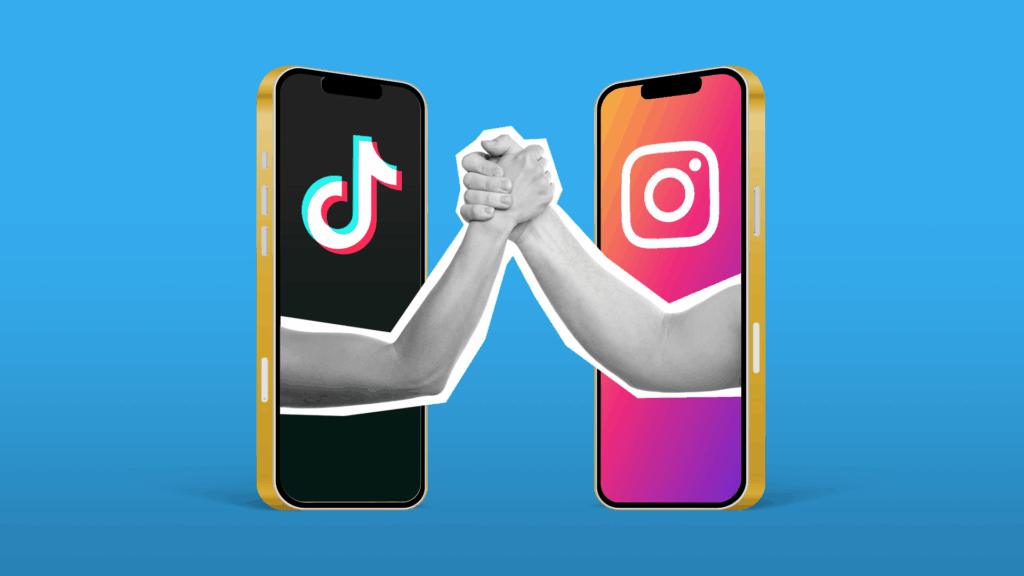
Unlike Instagram, TikTok isn’t about being polished or picture-perfect. Users want real and relatable content.
They want to see behind the scenes, funny moments, or honest reviews — not just ads.

Brands like Tealive, Zus Coffee, and Chagee often go viral because their videos feel natural and human. They talk like normal people, not like corporations.

So, skip the fancy video shoot — grab your phone and just be real.


3. Ride the Trends (But Make It Yours)

Using trending sounds, filters, and hashtags can help your content get noticed — but don’t just copy others.
The key is to adapt trends to your brand’s story.

For example:
If there’s a trending sound about “small business wins,” show your team celebrating your latest milestone or a customer’s happy feedback.

Trends get attention, but creativity keeps people interested.


4. Tell a Story

People love stories — even short ones.
A viral TikTok often has a clear narrative: a beginning, a middle, and an end.

It could be:

  • “How we started this business from zero.”
  • “The day our first customer walked in.”
  • “Our behind-the-scenes during a chaotic sale day.”

Stories make your brand more human, and emotions make people remember you.


5. Engage with Your Community

TikTok rewards interaction.
Reply to comments, create video responses, duet with customers, or even join fun challenges.

When your brand interacts, it builds trust — and the algorithm notices it too.
It shows that your content sparks real engagement, not just passive views.


6. Stay Consistent

Going viral once is great — but staying relevant is better.
Consistency tells TikTok that your account is active and valuable.

Post regularly, experiment with different styles, and don’t give up if a few videos flop.
Every post teaches you what your audience enjoys.


Conclusion

Going viral on TikTok isn’t magic — it’s strategy, creativity, and consistency.
Brands that succeed are those that stay authentic, connect emotionally, and adapt quickly to trends.

So if you’re a business owner trying to stand out on TikTok, remember this:
You don’t need a big budget — you just need to understand people.

Why Everyone Trusts Recommendations More Than Ads

Have you ever tried a café just because your friend said the food was amazing? Or did you buy a skincare product because someone on TikTok shared their real results?

That’s the power of recommendations — and in marketing, this is called Word of Mouth (WOM).

🔹 What Is Word of Mouth Marketing?

Word of Mouth, or WOM marketing, happens when people naturally talk about a product or brand they love. It’s not paid advertising — it’s based on trust and personal experience. When someone shares their honest opinion, it feels real and believable, unlike an ad that’s clearly made to sell something.

In simple words, we trust people more than promotions.

@heyboss_official 🗣 Unleash the power of word-of-mouth marketing! 💥 It is a great tool for organic business growth, and building trust and loyalty. Dive into 5 game-changing ways to ignite buzz about your brand! 🔥 1️⃣ Referral Program Encourage customers to spread the word about your business by offering incentives. By Rewarding both the referring customer and the new customer, you can maximize the network effect. 2️⃣ Customer Reviews Claim your business page on platforms, encourage customer reviews to boost your online presence, and respond promptly to reviews by showing appreciation for positive feedback. 3️⃣ Influencer Partnerships Partner with influencers to reach a wider audience and build credibility with potential customers. Look for local micro-influencers with engaged followers who align with your brand values. 4️⃣ User-Generated Content Encourage customers to share content related to your business and repost their content to showcase positive experiences. UGC provides authentic endorsements and fosters community building. 5️⃣ Social Media Content Engage with your audience on social media by posting valuable content and running contests or giveaways. Showcase what makes your business unique and encourage interaction from your followers. #WordOfMouth #MarketingStrategy #Referral #InfluencerMarketing #GrowWithUs ♬ original sound - heyboss

🔹 Why We Believe Recommendations More Than Ads

  1. Trust Comes First
    When a friend recommends something, we know they’re not trying to sell it to us. That makes their opinion more genuine. In fact, most people trust recommendations from friends and family more than any other type of advertising.
  2. Real Experiences Speak Louder
    Ads can show a perfect image, but personal stories feel more real. When someone says, “I used this and it worked for me,” it’s easier to believe. That’s why reviews, testimonials, and social media posts from real people are so powerful.
  3. We Want to Be Part of the Trend
    Let’s be honest — when everyone’s talking about a new drink, gadget, or brand, we get curious too. Word of mouth creates that “I need to try this!” feeling, which spreads even faster online.

🔹 How Brands Encourage Word of Mouth

Even though WOM starts naturally, smart brands know how to make it grow.
Here’s how they do it:

  • Create shareable experiences – When products or packaging are unique, people love to post about them.
  • Encourage honest reviews – Brands that listen to feedback and respond build stronger trust.
  • Work with real customers or micro-influencers – Instead of big ads, small creators who share real stories can make a big impact.

🔹 Real-Life Example

Think about Tealive or Chagee in Malaysia. Many of us first tried them because friends recommended the drinks or posted them online. That’s not just good taste — that’s Word of Mouth Marketing in action.


🔹 The Bottom Line

Word of Mouth might sound simple, but it’s one of the most powerful forms of marketing. People trust people — and no ad can replace the impact of a genuine recommendation.

So the next time you tell someone, “You should try this!” — you’re actually helping a brand grow, without even realizing it.

Why We Fall in Love with Brands: Understanding Consumer-Brand Relationships.

Have you ever felt so connected to a brand that you keep buying it again and again, even when there are cheaper options? Or maybe a certain product makes you smile because it reminds you of your childhood?
That’s what we call a consumer-brand relationship

In marketing, this means the emotional or personal connection people have with the brands they use. Sometimes it’s about function, but most of the time, it’s about feelings.
Let’s look at the four main types of consumer-brand relationships.


1. Self-Concept Attachment

“This product shows who I am.”

This happens when a product or brand represents your identity or lifestyle.
For example:

  • A gamer feels proud of their gaming PC because it reflects who they are.
  • A fashion lover chooses a brand that matches their personal style.

When brands connect with how people see themselves, it makes the relationship stronger. Customers feel like, “This brand gets me.”


2. Nostalgic Attachment

“This reminds me of my past.”

This is when a product makes you feel emotional because it brings back good memories.
For example:

  • Eating a childhood snack that reminds you of school days.
  • Buying retro games or toys because you used to love them as a kid.

This is what marketers call 'nostalgia marketing' — using memories to create emotional feelings and brand loyalty. People buy not just for the product, but for the feeling it gives them.


3. Interdependence

“I use this every day.”

This type of relationship is built on daily habits. You use the product so often that it becomes part of your routine.
For example:

  • Checking your smartphone first thing in the morning.
  • Drinking your favourite coffee brand every day.

When a brand becomes part of someone’s daily life, it creates a strong bond. It’s hard for customers to switch because they already depend on it.


4. Love

“I’m emotionally attached to this brand.”

This is the deepest type of relationship — when people truly love a brand.
For example:

  • Apple fans who always buy the latest iPhone.
  • Starbucks lovers who say it’s not just coffee, it’s a lifestyle.

Here, customers feel an emotional connection. They trust, support, and stay loyal to the brand — just like in real relationships.

@mia_vw_ I love Starbucks!!! #starbucks #viral #relatable #foryou ♬ original sound - 📼

Conclusion

A consumer-brand relationship is not just about buying and selling. It’s about feelings, memories, and identity.
When brands manage to touch people’s emotions — especially through nostalgia or love — that’s when true loyalty begins.

Because at the end of the day, people don’t just buy products…
They buy connections. 💖

The Power of Affiliate Marketing: Why Brands Should Partner with Creators

In today’s fast-moving digital world, one marketing strategy stands out more than ever which is, affiliate marketing.
It’s simple, cost-effective, and most importantly, it works.

Whether it’s on Shopee, TikTok, or other platforms, affiliate marketing has changed the way brands connect with audiences and drive sales

But here’s the real question:
Why should your brand start partnering with creators?

Let’s dive in.


1. Affiliate Marketing Is All About Trust

Consumers today are smarter — they don’t easily trust ads anymore.
Instead, they trust people — especially the creators they follow. When a creator promotes your product through affiliate marketing, it feels natural, personal, and authentic.

So instead of a brand saying “Hey, buy our product!”, you have real people saying,

“I’ve tried this — and it actually works.”
That’s the kind of marketing money can’t buy (but affiliate programmes can 😉).


2. It’s a Win-Win Strategy

Unlike traditional ads, where you pay upfront, affiliate marketing works on a performance-based system — meaning you only pay when results happen.
Creators earn a small commission for every sale they generate, and your brand gets more reach without huge ad spend.

You get sales.
They get commission.
Everyone wins.

It’s marketing that rewards results, not just effort.


3. Shopee & TikTok Affiliates Are Changing the Game

If you’ve been online lately, you’ve probably noticed how Shopee Affiliate and TikTok Affiliate are exploding in popularity — especially in Malaysia.

  • Shopee Affiliate is perfect for brands selling on Shopee. Creators can share product links, and whenever someone buys through that link, they earn a commission. It’s simple and directly tied to eCommerce results.
  • TikTok Affiliate, on the other hand, takes things to another level — combining entertainment and sales. With short-form videos, creators can promote products naturally within their content, leading to massive exposure and instant purchase through TikTok Shop.

This is why many businesses now use both platforms — Shopee for product credibility and TikTok for visibility and conversion.

@hijaubeauty Calling for all Beauty Lovers! 💄✨ Want to turn your passion into profit? @hijau Beauty is looking for YOU! 👉👈 Join our Affiliate Program, you will: 💸Earn High Commissions 🧕Share Muslim-friendly cosmetics 🇲🇾 Be part of a growing Malaysian brand #hijaubeauty #affiliate #beautyaffiliate #Cosmeticproducts #makeuptutorial #MuslimFriendly #ColorCosmetics #liptint #lipcheektint #blusher #settingspray #eyeliner #Mascara #waterproof #easyremoval #wudukfriendly #MakeUpTiktok #MakeupMustHave #TikTokBeauty #guardianmy #makeupjunkie #makeupaddict #cosmetics #makeup #grwm #produkviral #beautyroutine #supportlocal #localbrand #Malaysianbrand ♬ original sound - @hijau Cosmetics - @Hijau Beauty

4. Better Reach, Lower Cost

Traditional ads? They can cost thousands.
Affiliate marketing? You can start with almost zero upfront cost.

When brands work with micro- or nano-creators, they can reach targeted audiences at a fraction of the price. These smaller creators often have more loyal and engaged followers — perfect for driving real sales instead of just views.


5. Creators Know Their Audience Best

No one understands what a specific audience wants better than the creators themselves.
They know what kind of content works, what style their followers like, and how to promote a product without sounding like an ad.

By giving creators creative freedom, your brand message comes across more genuine — and that’s exactly what converts viewers into buyers.


6. Building Long-Term Brand Relationships

Affiliate marketing isn’t just about one-time sales. It’s about building partnerships.
When you find creators who truly love your brand, they’ll keep promoting you consistently — not because they have to, but because they want to.

Over time, this builds strong brand loyalty and turns ordinary followers into lifetime customers.


🧭 Final Thoughts

The future of marketing isn’t just about fancy ads or expensive campaigns — it’s about real people sharing real experiences.

By partnering with creators through affiliate programmes like Shopee Affiliate and TikTok Affiliate, your brand gains more than sales—it gains trust, awareness, and community.

So if your brand hasn’t started yet, maybe it’s time to join the movement.
Because in 2025 and beyond, authenticity sells. 💥

How Brand Collaborations Help Attract More Customers

In today’s fast-changing marketing world, standing out from the crowd is harder than ever. That’s why many brands are turning to collaborations — a powerful strategy that combines two or more brands to create something fresh, unique, and buzzworthy.

Brand collaborations are no longer just a marketing trend—they’re a smart way to build awareness, increase engagement, and reach new audiences. But how exactly do collaborations attract customers? Let’s dive in.


1. They Combine Two Audiences Into One Bigger Market

When two brands collaborate, they bring along their own loyal fans. This means both brands get double exposure — and double potential customers.

💡 Example:
When Naelofar, a well-known Malaysian modest fashion brand, teamed up with Disney, it was a match made in heaven. Fans of Naelofar loved the stylish hijabs, while Disney fans were excited to see their favorite characters featured in the designs.
This collaboration successfully reached both Muslim fashion lovers and pop culture fans — creating excitement and increasing sales.

@naelofarofficial

Behold, our new Disney x Naelofar collection! Aladdin ✨🌙

♬ original sound - Naelofar

2. They Create Buzz and Curiosity

Collaborations create a sense of FOMO (Fear of Missing Out). Customers get curious and excited to see what two popular brands can come up with together.

When brands announce a collaboration, social media usually goes wild. People start sharing, tagging, and talking about it — which builds free publicity before the product even launches.

💡 Example:
Think about how Starbucks x Uniqlo or Adidas x Gucci got everyone talking. Even if customers didn’t buy the products, they still remembered the campaign — which means the brands stayed top-of-mind.


3. They Build Emotional Connection

When customers see two of their favorite brands collaborate, it triggers positive emotions — nostalgia, excitement, and trust. This emotional connection can turn casual followers into loyal customers.

💡 Example:
The Naelofar x Disney collaboration tapped into childhood memories by using beloved Disney characters like Mickey and Minnie. This nostalgic element made the collection not only stylish but emotionally meaningful for buyers.


4. They Encourage Creativity and Uniqueness

@wawawiwii Inside Scoop collab with 6 Lokal Legend for this Merdeka?!🇲🇾😍 Yeppp, they just collab with 6 local brands we all grew up loving! 🍫 Gardenia Twiggies Choc-A-Lot 🍿 GSC Caramel Popcorn 🍋 Julie’s Le-mond Lemon 🍯 Beryl’s Gula Melaka Chocolate ☕ ZUS Coffee Spanish Latté 🥛 Farm Fresh Choco Malt Kaw Only from 18 Aug – 21 Sep 2025 👀 So hurry & try them at any Inside Scoop outlet OR bring them home with the Lokal Legends Party Pack (RM68)! @Inside Scoop #InsideScoopMY #LokalLegends2025 #JiwaMerdeka ♬ original sound - Cewe kamu

Collaboration allows brands to experiment with new designs, messages, or audiences that they wouldn’t normally explore. It helps them refresh their image and stay relevant in a crowded market.

💡 Example:
When McDonald’s collaborated with BTS, they didn’t just release another burger — they created a whole new experience. Fans rushed to buy “The BTS Meal,” post it online, and even keep the packaging as collectibles. That’s the power of creative collaboration!


5. They Strengthen Brand Credibility

When two strong brands collaborate, it signals quality and trust. Customers feel more confident purchasing because they associate both brands with reliability and prestige.


Conclusion

Brand collaborations aren’t just about merging logos — they’re about merging audiences, emotions, and creativity. When done right, they can turn normal campaigns into viral sensations and turn curious shoppers into loyal fans.

In a world where customers crave new experiences, collaborations are one of the smartest marketing moves a brand can make.

How Online Reviews Influence Buying Decisions (Even Without You Realizing It)

Be honest — before you buy anything online, what’s the first thing you do?
You scroll down and check the reviews.

Whether it’s a Shopee item, a skincare product, or even a café on Google Maps, we all depend on what other people say before making a decision. And that’s exactly why online reviews have become one of the most powerful marketing tools today.


1. Reviews Build Trust Instantly

People trust people — not ads.
When someone receives honest feedback from real users, they immediately feel safer making a purchase.
That’s why many brands now encourage customers to leave reviews after every purchase.

A single 5-star review can convince someone to click “Add tocart”.
while one bad review can make them think twice.


2. The Power of Social Proof

When we see a product with hundreds of good reviews, our brain naturally assumes it’s good.
That’s called social proof — we tend to follow what others are doing.


3. Reviews Shape a Brand’s Image

Good reviews don’t just boost sales — they build a brand’s reputation.
When customers share positive experiences online, it’s like free marketing that spreads fast.

The more people talk about a brand positively, the more trustworthy it looks.
In short, reviews are a reflection of how the world sees your brand.


4. Negative Reviews Aren’t Always Bad

Believe it or not, having a few negative reviews can make a brand look real.
No product is perfect — and that’s okay.
What matters most is how the brand responds.

A polite, helpful reply can show that the brand listens and cares,
turning a bad experience into a chance to build customer loyalty.


5. Why Brands Should Pay Attention

Every review — whether good or bad — is valuable.
It tells you what customers love, what they expect, and what you can improve.

Smart brands don’t ignore reviews. They learn from them, adapt, and build better experiences for their audience.


Conclusion

Online reviews aren’t just opinions — they’re digital trust signals.
They influence how people think, feel, and decide.

So whether you’re a business owner or just a regular buyer, remember:
Every comment and every star rating matters more than you think ⭐

Want to Get on TikTok’s FYP? Here’s Why Consistency Beats Going Viral.

We’ve all been there: you post one video that somehow does well, and then the next few get barely any views. You start wondering, “Is it my content? My hashtag? Or maybe TikTok just hates me?”

Truth is, the secret to getting more engagement and appearing on TikTok’s For You Page (FYP) isn’t luck or some hidden algorithm hack — it’s consistency.

Yep, posting regularly might sound boring compared to “going viral”, but it’s actually the most powerful way to grow on TikTok long-term. Let’s talk about why 👇


📈 1. The Algorithm Loves Consistency

TikTok’s algorithm is built to reward creators who keep showing up.
When you post consistently, you’re giving the algorithm more chances to test your content with different audiences. The more you post, the more data TikTok has to figure out who likes your content, which helps it recommend your videos to the right people.

Think of it this way — if you only post once in a while, TikTok barely knows who your audience is. But if you post 3–5 times a week, the platform starts to recognise patterns and push your content higher on the FYP.

@sarah.juann proof that posting x2 a day for 1 month works! consistency is key! #contentcreator #contentcreation #consistencyiskey #motivation #thisisyoursigntopost #microinfluencer #microinfluencertips #contentcreatortips ♬ original sound - cosmos


💬 2. More Consistency = More Engagement Opportunities

Each post is a new chance to reach someone who might follow, like, or comment.
Even if some videos flop, others might blow up unexpectedly — but you’ll never know which one if you don’t post enough.

The most successful TikTok creators don’t just rely on one “viral” moment. They focus on showing up every day, interacting with comments, and testing different types of content. Over time, that consistency builds a loyal audience who actually cares about what they post.


🕒 3. Consistency Builds Trust (and Habit)

When your followers see you post regularly, it builds trust and familiarity.
People start recognising your face, your style, and your tone. Before you know it, they’ll stop scrolling when they see your video because they already know you deliver good content.

Plus, the more consistent you are, the easier it becomes to plan and create; posting turns into a habit, not a struggle.

@mrlsprs Consistency hits different 💯 #tiktokph #affiliate #tiktokaffiliate #capcut_edit #capcut ♬ original sound - Mikœ

⚙️ 4. Consistency Helps You Improve Faster

Let’s be real: your first 10 videos probably won’t be your best work.
But by being consistent, you give yourself room to experiment, learn, and grow. You’ll start to notice what works — the hooks that grab attention, the transitions that keep people watching, and the kind of storytelling your audience loves.

Every video is practice. The faster you post, the faster you improve.


💡 5. How to Stay Consistent Without Burning Out

Being consistent doesn’t mean posting randomly every day. It’s about having a plan that works for you. Here’s how:

  • 🗓️ Plan your content weekly — batch ideas in advance.
  • 🧠 Use content pillars — choose 3–4 topics you’ll rotate between.
  • ✂️ Repurpose old content — turn one long video into 3 short clips.
  • 📊 Track what works — keep an eye on which videos perform best.

Remember: consistency > perfection. It’s better to post something simple today than to overthink and post nothing at all.


🚀 Conclusion

Getting on the FYP isn’t about chasing trends or praying to the algorithm gods — it’s about showing up consistently and letting your content compound over time.

So if you’re serious about growing on TikTok, don’t focus on going viral — focus on being reliable, creative, and consistent.
The FYP will come to you eventually 😉

Google Ads vs Facebook Ads in Malaysia: Which Platform Converts Better?

When it comes to digital advertising in Malaysia, two names dominate the game — Google Ads and Facebook Ads.
Both platforms help businesses reach new customers online, but which one actually converts better?
Let’s break it down.


⚙️ 1. How Each Platform Works

Google Ads is intent-based marketing — people search for what they already want.
Example: Someone types “business loan Malaysia” or “aircond repair near me”.
If your ad appears at that moment, you’re already halfway to a sale.

Facebook Ads, on the other hand, is interest-based marketing.
You’re showing ads to users based on their interests, behaviour, and demographics — even if they weren’t actively looking for your product.
It’s great for brand awareness and impulse decisions.


💡 2. Audience Targeting

FeatureGoogle AdsFacebook Ads
TargetingKeywords, intent, location, devicePeople are ready to buy
Best For“Buy a laptop online Malaysia”Building brand awareness
Example“Buy a laptop online in Malaysia”Showing laptop ads to tech lovers

👉 Verdict:

  • Use Google Ads when you want high-intent leads (people searching now).
  • Use Facebook Ads when you want to build attention and engagement before they search.

💰 3. Cost and Conversion in Malaysia

In Malaysia, Facebook Ads typically have a lower cost per click (CPC) — ranging from RM0.50 toRM2.00.
However, Google Ads clicks can range from RM1 to RM10+, depending on your keywords and competition.

However, conversion rate tells a different story:

  • Google Ads often brings more ready-to-buy leads (3–6% conversion rate).
  • Facebook Ads can have lower intent, around 1–3% conversion, unless your creative is very strong.

👉 Verdict:
Facebook = cheaper traffic.
Google = better conversion quality.


📈 4. When to Use Each Platform

Business TypeRecommended PlatformWhy
Local services (plumber, salon, clinic)Google AdsPeople search directly for help
Retail or e-commerceFacebook Ads + remarketing on GoogleCombine both for discovery + intent
B2B / Corporate servicesGoogle AdsHigher-value, search-driven
New brand launchFacebook AdsBuild awareness fast

🧩 5. The Best Strategy? Use Both Together.

The truth is, the most successful Malaysian businesses use both Google and Facebook Ads together.

  • Use Facebook Ads to create interest and attract new audiences.
  • Use Google Ads to capture demand when those same people start searching later.

That’s how you get full-funnel conversions — awareness ➜ interest ➜ action.


🚀 Final Thoughts

If you want fast, high-quality leads, Google Ads is your best bet.
If you want to grow your brand and reach more Malaysians affordably, Facebook Ads is more suitable.

But for the highest ROI, the smartest move is to combine both and let data decide where to scale.

How AI Helps Customers Choose What to Buy

Have you ever tried to buy something online but ended up feeling confused because there were just toomany choices? You read reviews, watch YouTube videos, and compare prices, but still can’t decide which one is best for you.

You’re not alone. Many customers face the same problem. And that’s where Artificial Intelligence (AI) comes in to help.

Too Many Options, Not Enough Clarity

Today, customers have access to all kinds of information, from social media posts to product reviews. These things are super useful, but sometimes, having too many options makes it hard to choose.

That moment of confusion is called “choice overload”. When your brain gets tired of comparing, you end up delaying your decision or just buying nothing at all.

AI helps fix this problem by simplifying things. Instead of scrolling through pages of reviews, customers can just ask AI to compare products for them and get clear, easy-to-understand answers.

How AI Helps Customers Decide

Let’s say you’re choosing between two skincare brands or three types of wireless earbuds. You ask an AI tool, and in seconds, it can:

  • Compare features, prices, and quality
  • List pros and cons for each option
  • Suggest which product suits you best based on your needs and budget

In other words, AI doesn’t replace customer research, but it makes it easier and faster.

Why AI Makes Decision-Making Easier

When customers get too many options, they start to doubt their choices. That’s where AI acts like a smart shopping assistant.

It gives clear and neutral advice, helping customers feel more confident before making a purchase. This makes the overall shopping experience smoother and less stressful.

Why It’s Important for Brands and Marketers

For digital marketers, AI can be a big advantage. When your brand provides helpful AI chatbots or comparison tools on your website, customers feel guided and not pressured.

This leads to:
✅ Better customer experience
✅ Higher conversion rates
✅ Stronger trust toward your brand

When customers feel supported, they’re more likely to choose your product confidently.

Examples You See Today

  • Online stores use AI to recommend products based on what you’ve viewed before.
  • Chatbots can answer product questions and compare items instantly.
  • Smart assistants like Alexa or Google Assistant can suggest the best options when you ask for help.

Looking Ahead

In the future, AI will get even better at understanding what customers really want, even before they ask.

For marketers, that means it’s time to explore how AI can make the buying journey easier, faster, and more personal.


Conclusion

AI isn’t here to take over our decisions, but it’s here to make them simpler. By helping customers compare products and choose confidently, AI builds trust and improves the shopping experience.

In the end, it’s not just about selling. It’s about helping customers make the right choice easily.