Apa Beza Franchise, Franchisor dan Franchisee?

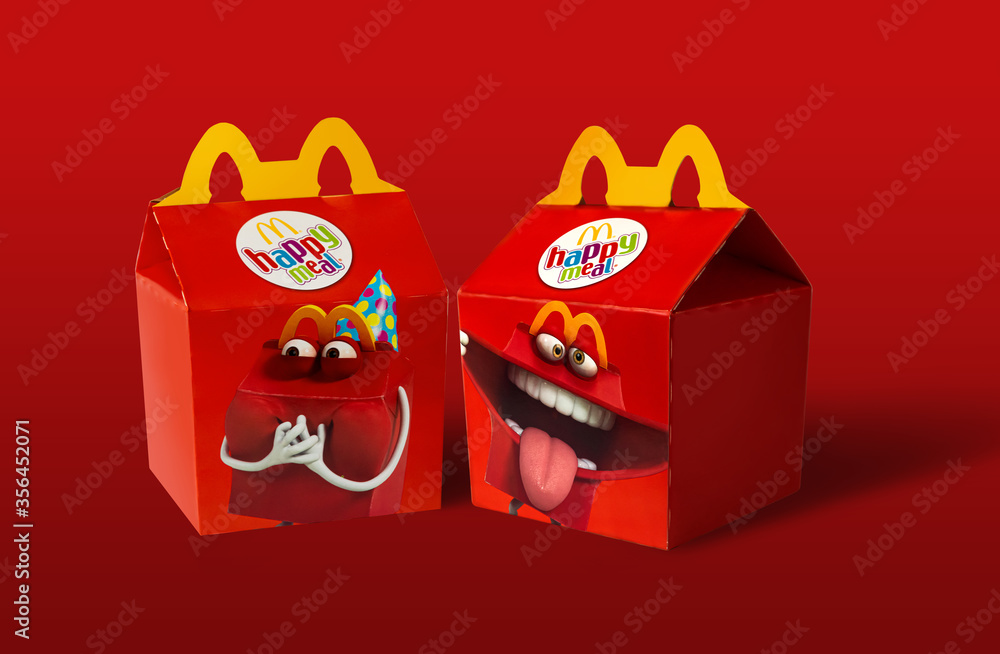
Dalam dunia bisnes, especially bila cakap pasal jenama besar seperti McDonald’s, Tealive, 7-Eleven atau KFC, kita selalu dengar perkataan franchise, franchisor, dan franchisee.
Tapi ramai masih keliru apa maksud setiap satu dan bagaimana sistem ini sebenarnya berfungsi.

Kalau anda sedang mengurus bisnes, nak jadi franchisee, atau sekadar nak faham model pemasaran moden, artikel ini akan terangkan dengan sangat ringkas dan jelas

Apa Itu Franchise?

Franchise ialah model perniagaan di mana satu pihak (franchisor) memberi hak kepada pihak lain (franchisee) untuk menggunakan brand, sistem operasi, produk, SOP, pemasaran dan model bisnes mereka.

Senang cerita:

➡ Franchise = bisnes ready-made
➡ Dah ada sistem, dah ada brand, dah ada pelanggan
➡ Anda hanya perlu sediakan modal & ikut SOP

Contoh franchise terkenal di Malaysia:

  • McDonald’s
  • Marrybrown
  • OldTown White Coffee
  • Tealive
  • 7-Eleven

Dalam model franchise, ada dua pihak penting: franchisor & franchisee.

Siapa Itu Franchisor?

Franchisor= pemilik brand.

Mereka adalah pihak yang:

✔ mencipta sistem bisnes
✔ membangunkan produk
✔ menyediakan SOP
✔ buat pemasaran besar-besaran
✔ melatih franchisee
✔ menjaga kualiti brand

Franchisor tidak operate semua kedai sendiri, tetapi membuka peluang kepada orang luar membuka cawangan menggunakan jenama mereka.

Siapa Itu Franchisee?

Franchisee = individu / syarikat yang membeli lesen untuk buka cawangan brand tersebut.

Mereka:

✔ bayar yuran franchise
✔ guna nama brand
✔ ikut SOP franchisor
✔ operate outlet sendiri
✔ untung daripada jualan outlet

Franchisee bukan pekerja franchisor, tetapi mereka adalah pemilik bisnes yang operate outlet di bawah jenama tersebut.

Perbezaan

IstilahMaksudPeranan
FranchiseModel perniagaanSistem yang digunakan oleh franchisor & franchisee
FranchisorPemilik brandBina brand, buat marketing, sediakan SOP, latih franchisee
FranchiseeIndividu yang beli hak guna brandJalankan operasi outlet & buat keuntungan

Kenapa Model Franchise Popular?

Model franchise semakin popular sebab:

Bisnes dah siap — kurang risiko

Brand dah terkenal, pelanggan dah kenal.

SOP yang jelas

Senang nak buat — tinggal ikut sistem.

Marketing dibuat oleh franchisor

Franchisee tak perlu pening nak buat iklan besar-besaran.

Potensi keuntungan stabil

Sebab brand sudah “trusted”.

Support & training disediakan

Franchisor akan ajar cara operasi.

Kesimpulan

Untuk faham sistem franchise:

  • Franchisor = pemilik brand
  • Franchisee = orang yang buka cawangan
  • Franchise = model bisnesnya

Model ini menghubungkan brand besar dengan usahawan kecil supaya kedua-duanya boleh berkembang.

Kalau anda sedang fikir nak masuk dunia franchise, fahamkan peranan ini adalah langkah pertama sebelum buat keputusan besar.

What’s the Difference Between Franchise, Franchisor, and Franchisee?

When we talk about big brands like McDonald’s, Tealive, KFC, or 7-Eleven, we often hear the words ‘franchise, ‘franchisor, and ‘franchisee.
But many people still get confused about what each term actually means.

If you’re running a business, planning to buy a franchise, or just want to understand how modern business models work, this article explains everything clearly and simply.

What Is a Franchise?

A franchise is a business model where one party (the franchisor) gives another party (the franchisee) the rights to use their:

✔ brand
✔ business system
✔ products
✔ SOP
✔ marketing
✔ and overall business model

In simple words:

➡ Franchise = a ready-made business
➡ The system already works
➡ The brand already has customers
➡ You just need to invest and follow the SOP

Popular franchises in Malaysia include:

  • McDonald’s
  • Tealive
  • OldTown White Coffee
  • Marrybrown
  • 7-Eleven

A franchise involves two key parties: the franchisor and the franchisee.

2. Who Is the Franchisor?

The franchisor is the brand owner.

They are the party who:

✔ created the business model
✔ developed the products
✔ built the operating system
✔ provides training
✔ handles marketing and branding
✔ ensures quality control

Franchisors do not operate all outlets themselves.
Instead, they allow others to open branches using their brand.

Examples of franchisors:

  • McDonald’s Corporation
  • Loob Holding (Tealive)
  • QSR Brands (KFC Malaysia)

The franchisor’s job includes:

  • Maintaining brand reputation
  • Providing training and support
  • Supplying resources and approved materials
  • Running national marketing campaigns
  • Ensuring franchisees follow SOP

Who Is the Franchisee?

The franchisee is the individual or company that purchases the licence to open and run a franchise outlet.

They:

✔ pay franchise fees
✔ use the brand name
✔ follow the SOP
✔ operate the outlet
✔ earn profit from sales

A franchisee is not an employee of the franchisor.
They’re an independent business owner operating under a recognised brand.

The Differences

TermMeaningRole
FranchiseThe business modelThe system both parties use
FranchisorThe brand ownerBuilds, manages & supports the brand
FranchiseeThe buyer of the franchise rightsThe system that both parties use

Why Is the Franchise Model So Popular?

The franchise model is growing fast because:

Lower risk — proven business system

The brand is already established.

Clear SOP

You follow a proven method to succeed.

Marketing support

Franchisors handle big advertising.

Stable profit potential

Customers already trust the brand.

Training and guidance

Franchisees get full support.

Conclusion

To sum it up:

  • Franchisor = brand owner
  • Franchisee = a business operator who buys the rights
  • Franchise = the business model both parties use

This model connects strong brands with ambitious entrepreneurs, making it easier for both sides to grow.

Understanding these roles is the first step before entering the franchise business.

Kenapa Pelanggan Terus Membeli Brand Yang Sama: Rahsia Brand Loyalty

Dalam pasaran yang penuh persaingan hari ini, pelanggan dikelilingi oleh ratusan pilihan. Setiap hari ada sahaja brand baru muncul, menawarkan produk yang hampir sama pada harga yang hampir sama.


Tapi apa yang menarik?

walaupun ada banyak pilihan, kebanyakan pelanggan tetap memilih brand yang sama setiap kali mereka membeli.

Kenapa?
Apa yang buat pelanggan setia pada satu brand dan abaikan yang lain?

Jawapannya adalah brand loyalty, iaitu kuasa paling kuat dalam dunia pemasaran.

Apa Itu Brand Loyalty?

Brand loyalty ialah situasi di mana pelanggan terus membeli dari brand yang sama berulang kali.

bukan sebab mereka tak ada pilihan lain, tapi sebab mereka lebih suka brand itu.
Mereka percaya padanya.
Mereka rasa dekat dengannya.

Pelanggan yang loyal bukan sekadar beli produk.

mereka pertahankan brand itu, recommend pada kawan-kawan, dan tetap setia walaupun competitor offer harga lebih murah.

Inilah sebabnya pelanggan setia adalah “nyawa” bagi sesebuah bisnes.

Psikologi Disebalik Brand Loyalty

Brand loyalty tak berlaku secara kebetulan. Ia terbentuk daripada psikologi dan pengalaman pelanggan. Antara sebab utama pelanggan kekal setia ialah:

1. Kepercayaan dan Konsistensi

Pelanggan akan kembali kepada brand yang mereka percaya.
Kalau produk sentiasa beri hasil yang bagus, mereka rasa selamat memilihnya semula.
Kepercayaan mengurangkan risiko, dan tak ada siapa suka rasa ragu bila nak beli sesuatu.

2. Hubungan Emosi

Pelanggan bukan hanya beli produk; mereka beli perasaan.
Brand yang buat mereka rasa yakin, difahami, atau dihargai akan menang di hati mereka.
Ikatan emosi inilah yang buat pelanggan kekal loyal walaupun ada banyak pilihan lain.

3. Pengalaman Yang Baik

Daripada layanan customer service hinggalah cara penghantaran, setiap details penting.
Pengalaman yang lancar dan menyenangkan akan beri memori positif dan pelanggan suka ulang pengalaman tersebut.

4. Sesuai Dengan Identiti Diri

Ada pelanggan memilih brand tertentu kerana ia menggambarkan personaliti atau gaya hidup mereka.
Contohnya, pengguna Apple rasa mereka sebahagian daripada komuniti yang stylish dan moden.
Kalau brand itu melambangkan siapa mereka, mereka akan kekal setia.

5. Tabiat

Kadang-kadang, loyalty terhasil daripada kebiasaan.
Bila pelanggan dah biasa dengan satu brand, mereka malas nak tukar lagi-lagi kalau tukar bermaksud ambil risiko.

Kenapa Brand Loyalty Semakin Penting Hari Ini?

@advertigo

The Power of Brand Loyalty. Are you Team Apple or Team Samsung? Both brands sell more than phones—they sell lifestyles. Apple thrives on its seamless ecosystem, minimalist design, and exclusivity. Samsung stands for cutting-edge tech, versatility, and value. Each brand has built a loyal tribe connected to their unique vision and values. Premium brands are built by tapping into emotional pain points. For instance, we transformed Modern Alchemist from selling tailor-made medicine to selling uniqueness. Their message? Your healthcare should be as unique as you. This shift built loyalty and positioned them as more than a service. Want to build a Premium Brand? Book a call using the link in bio. Follow for more value! 🚀

♬ original sound - Jeevan - Advertigo

Dengan persaingan yang semakin sengit, brand loyalty menjadi aset paling berharga bagi sesebuah syarikat. Antara kelebihannya:

✔ Pelanggan Loyal Berbelanja Lebih

Mereka beli berkali-kali tanpa perlu offer atau diskaun besar.

✔ Marketing Percuma Melalui Word-of-Mouth

Pelanggan yang puas hati akan share pengalaman mereka secara natural.
Ini lebih kuat dari iklan berbayar.

✔ Tinggi Customer Lifetime Value

Pelanggan loyal kekal lebih lama, berbelanja lebih banyak, dan kurangkan kos pemasaran.

✔ Bantu Kuatkan Reputasi Brand

Bila ramai orang tetap pilih brand sama, ia tunjukkan kredibiliti dan kepercayaan.

Cara Brand Membangunkan Brand Loyalty

Kalau bisnes nak bina pelanggan yang setia, ini strategi yang terbukti berkesan:

1. Kekal Konsisten

Pastikan kualiti, tone, dan pengalaman pelanggan sentiasa sama.

2. Bina Emotional Branding

Gunakan storytelling, visual, dan voice brand yang menyentuh emosi pelanggan.

3. Ganjaran untuk Pelanggan Setia

Bagi membership, points, early access, atau diskaun special.

4. Dengar Apa Pelanggan Kata

Ambil serius feedback dan review untuk tunjuk brand menghargai mereka.

5. Perbaiki Online Experience

Pastikan website, TikTok Shop, dan social media teratur, engaging, dan mudah digunakan.

Kesimpulan

Brand loyalty bukan berlaku dalam sehari.
Ia perlukan kepercayaan, konsistensi, dan hubungan emosi.
Tapi bila pelanggan dah jatuh cinta dengan brand, mereka akan kembali… lagi dan lagi.

Rahsia bisnes berjaya bukan sekadar tarik pelanggan baru.
Ia adalah bagaimana membuat pelanggan yang sama terus datang semula.

Why Customers Keep Buying the Same Brand: The Secret of Brand Loyalty

In today’s competitive market, customers are surrounded by hundreds of options. New brands appear every day, offering similar products at similar prices. But here’s the interesting part:

Even with numerous choices, most customers tend to stick with the same brand repeatedly
Why?
What makes a customer choose one brand and ignore the rest?

The answer lies in brand loyalty, one of the most powerful forces in marketing.

What Is Brand Loyalty?

Brand loyalty occurs when customers consistently choose to buy from the same brand repeatedly, not because they have no other choice, but because they prefer it.
They trust it.
They feel connected to it.

A loyal customer doesn’t just buy your product; they defend your brand, recommend it to others, and continue to come back even when competitors offer discounts.


That’s why loyal customers are the backbone of a strong business.

The Psychology Behind Brand Loyalty

Brand loyalty isn’t created by luck, but it’s shaped by psychology.

Here are the core reasons why customers stay loyal:

1. Trust and Reliability

People will always return to a brand they trust.
If a product consistently delivers good results, customers feel safe choosing it again.
Trust reduces risk, and nobody likes to feel unsure when spending money.

2. Emotional Connection

Customers don’t just buy products; they buy feelings.
A brand that makes them feel confident, understood, or valued will automatically win their heart.
This emotional bond is what keeps them loyal, even when competitors appear.

3. Positive Experiences

From customer service to delivery speed, every interaction matters.
A smooth, pleasant experience creates positive memories, and customers want to repeat that experience.

4. Self-Identity

Many customers choose a brand because it matches their personality or lifestyle.
Apple users, for example, feel like they’re part of a stylish, modern, creative community.
When a brand reflects its true identity, it remains loyal.

5. Habit

Sometimes loyalty comes from convenience.
Once people get used to a certain brand, they tend not to feel like switching, especially if changing means more effort or uncertainty.

Why Brand Loyalty Matters More Than Ever

@advertigo

The Power of Brand Loyalty. Are you Team Apple or Team Samsung? Both brands sell more than phones—they sell lifestyles. Apple thrives on its seamless ecosystem, minimalist design, and exclusivity. Samsung stands for cutting-edge tech, versatility, and value. Each brand has built a loyal tribe connected to their unique vision and values. Premium brands are built by tapping into emotional pain points. For instance, we transformed Modern Alchemist from selling tailor-made medicine to selling uniqueness. Their message? Your healthcare should be as unique as you. This shift built loyalty and positioned them as more than a service. Want to build a Premium Brand? Book a call using the link in bio. Follow for more value! 🚀

♬ original sound - Jeevan - Advertigo

With rising competition and shorter attention spans, brand loyalty is becoming a company’s biggest asset. Here’s why:

✔ Loyal Customers Spend More

A loyal customer is worth more than hundreds of new ones.
They buy repeatedly, even without heavy promotions.

✔ Free Word-of-Mouth Marketing

Happy customers naturally share their favourite brands.
This type of “organic marketing” is more powerful than ads.

✔ Higher Customer Lifetime Value

Loyal customers stay longer, spend more, and reduce marketing costs.
They are long-term assets.

✔ Stronger Brand Reputation

When customers consistently choose the same brand, it signals trust and credibility, making new customers more confident to try it.

How Brands Build Loyalty

If your business wants loyal customers, here are proven strategies:

1. Be Consistent

Deliver the same quality, same tone, and same experience every time.

2. Create Emotional Branding

Utilize storytelling, visuals, and brand voice that connect with people’s feelings.

3. Reward Loyalty

Offer exclusive deals, membership perks, early access, or points.

4. Listen to Your Customers

Use reviews and feedback to show that you value their opinions.

5. Build a Strong Online Experience

Keep your website, TikTok Shop, and social media clean, fast, and engaging.

Final Thoughts

Brand loyalty is not built overnight.
It takes trust, consistency, and emotional connection.
But once customers fall in love with your brand,

they stay, even when the market changes.

The secret to a successful business isn’t getting customers once.
It’s making them come back again and again.

Kuasa Sokongan Selebriti: Bagaimana Minuman Kegemaran Lalisa Meningkatkan Jualan HEYTEA

Dalam dunia marketing hari ini, satu sebutan daripada seorang selebriti boleh ubah segalanya. Itulah yang terjadi bila BLACKPINK’s Lalisa kongsi minuman kegemarannya — HEYTEA Cloud Coconut Blue.

Sejak itu, media sosial jadi heboh! Ramai peminat beratur panjang semata-mata nak rasa “air kegemaran Lalisa”. Video dan review minuman ni mula trending di TikTok, Instagram, dan X (Twitter).

Yang menariknya, HEYTEA tak perlu pun buat iklan besar-besaran, sebab satu kenyataan kecil daripada Lalisa dah cukup untuk buat jualan naik mencanak. Inilah yang dipanggil kuasa celebrity endorsement marketing.

@sofeashraa finally trying out Lisa’s fav drink and LAHHH rupanya ada je kat Malaysia jugak hahaha I ordered: 🥥 Cloud Coconut Blue (lisa’s fav) 🥭 Coconut Mango Boom 🍃 Matcha Latte btw Heytea nak bagi free drinks on 7th November tau sempena dapat sijil Halal! So pegi la cuba semua air yang I mentioned in the video sebab its worth the try🙂‍↕️ #HEYTEA #HEYTEAHalal #HEYTEAHalalDay #HalalMalaysia #HalalFoodie ♬ original sound - dj auxlord

HEYTEA bijak memanfaatkan peluang ni. Mereka ikut arus viral dan jadikan hype tu sebahagian daripada strategi marketing mereka. Tanpa terlalu memaksa, HEYTEA engage dengan peminat secara natural, kongsi semula content, guna hashtag trending, dan cipta suasana “close” dengan pelanggan.

Inilah rahsia kejayaan mereka: authenticity + timing.
Bila sesuatu trend datang dari keikhlasan (bukan nampak macam iklan semata), orang akan lebih percaya dan tertarik.

Akhirnya, Cloud Coconut Blue bukan lagi sekadar minuman; tapi jadi simbol trend, gaya hidup, dan cara untuk rasa lebih dekat dengan Lalisa.

Logo Halal Rasmi: Menambah Nilai Kepercayaan

@penangfoodie

FREE HEYTEA, 1 DAY ONLY 😍 Congratulations! HEYTEA is now Halal-certified & everyone can enjoy any drink on the menu for FREE 🥳 to celebrate this special day! 📍 Available at all HEYTEA M’sia outlets 📅 7th November 2025 (Friday) ❗️Extra 1,000 FREE DRINKS (daily) on HEYTEA app from 8th - 13th Nov too 😉 🥤 Redeem within 7 days, 1 coupon per user.

♬ Brass funk on TV and entertainment programs(1527933) - zomap

Baru-baru ni, HEYTEA umumkan pelancaran logo halal rasmi mereka dan ini terus menarik perhatian ramai, terutamanya pelanggan Muslim.

Sekarang, bukan sahaja peminat Lalisa yang teruja nak cuba, tapi juga pengguna Muslim yang sebelum ni ragu-ragu dah boleh minum tanpa was-was. Langkah ni sangat bijak dari segi brand trust dan market expansion.

Dengan halal certification, HEYTEA berjaya tarik kepercayaan dua kumpulan besar:

  1. Peminat Lalisa (kuasa selebriti)
  2. Pelanggan Muslim (kuasa kepercayaan dan nilai halal)

Gabungan dua faktor ni jadikan HEYTEA bukan sekadar “viral brand,” tapi juga jenama yang dipercayai dan inklusif untuk semua.

Pengajaran Marketing daripada HEYTEA x Lalisa

Kisah ni bagi banyak pengajaran untuk jenama lain:

  1. Influence jual, tapi keikhlasan kekal.
    Orang lebih percaya bila selebriti benar-benar suka produk tu, bukan sekadar dibayar.
  2. Cepat bertindak bila trend muncul.
    HEYTEA tak tunggu lama, terus manfaatkan momentum viral.
  3. Sertakan nilai budaya dan agama.
    Logo halal bukan sekadar simbol, tapi tanda keprihatinan kepada pelanggan Muslim.
  4. Bangunkan emosi, bukan sekadar promosi.
    Pelanggan beli sebab nak rasa “dekat” dengan Lalisa, bukan sekadar sebab minuman tu sedap.

Kisah HEYTEA dan Lalisa ni bukti yang marketing zaman sekarang bukan lagi tentang iklan semata. Ia tentang pengaruh, kepercayaan, dan emosi.

Daripada satu sebutan kecil oleh Lalisa, hingga kepada pelancaran logo halal rasmi, HEYTEA menunjukkan cara sebenar bagaimana sesebuah jenama boleh cipta impak besar bila tahu cara bina hubungan dengan audiens.

Akhirnya, orang takkan ingat apa yang kita jual, mereka akan ingat bagaimana jenama kita buat mereka rasa.
Dan HEYTEA dah berjaya buat semua orang, dari peminat K-pop hingga pelanggan Muslim rasa terhubung dengan satu jenama yang dipercayai.

Kenapa Bila Kita Cari Produk di TikTok, FYP Penuh Dengan Produk Tu? — Rahsia di Sebalik Algoritma Marketing

Kalau kau pernah search satu produk dekat TikTok, contohnya “lip tint tahan lama” atau “perfume viral Malaysia” — mesti lepas tu FYP kau terus penuh dengan video pasal produk yang sama kan?

Kadang-kadang sampai naik semua jenis review, haul, dan iklan dari brand yang sama. Soalan dia: kenapa benda ni jadi?

Adakah TikTok “dengar” kita atau memang ada strategi marketing di sebaliknya?

Jawapan dia: ini semua kerja algoritma.

TikTok Bukan Sekadar Aplikasi Hiburan, Tapi Mesin Carian Baru

Sekarang, TikTok bukan lagi tempat tengok video lucu je, tapi dah jadi macam search engine kedua lepas Google.
Ramai pengguna muda sekarang search terus dekat TikTok untuk tahu review produk sebelum beli.

Bila kita search benda tu, algoritma TikTok akan detect keyword yang kita taip dan jenis video yang kita tengok paling lama. Lepas tu dia akan isi FYP kita dengan content yang sama atau related,

sebab dia fikir “oh, user ni berminat dengan produk ni, bagi lagi!”

Cara Algoritma TikTok Berfungsi

TikTok punya algoritma fokus pada interest-based content.

maksudnya, FYP kita bukan random. Dia disusun ikut minat, carian, dan interaksi kita.

Algoritma tu akan tengok:

  1. Apa yang kita cari (search keywords)
  2. Video mana kita tengok sampai habis
  3. Post mana kita like, komen, atau share
  4. Hashtag dan caption video
  5. Account atau niche yang kita selalu engage

Strategi Marketing di Sebalik FYP

Brand dan marketer tahu tentang ni, sebab tu mereka guna SEO TikTok strategy untuk pastikan produk mereka muncul bila orang search keyword tertentu.

Semua ni bantu video tunaik bila orang search keyword.

sama macam SEO dekat Google, cuma versi TikTok lebih cepat dan visual.

TikTok SEO — The New Marketing Trend

TikTok sekarang dah jadi tempat marketer main dengan keyword.
Kita panggil ni TikTok SEO (Search Engine Optimization):

teknik untuk buat content senang dijumpai bila orang cari sesuatu.

So marketer kena faham: kalau nak jual, kena faham algoritma.
Bukan sekadar buat video cantik, tapi video yang “algorithm-friendly.”

Kesimpulan: FYP Kau Cerminan Minat Kau

Bila kau perasan FYP kau penuh dengan produk yang kau baru search, itu bukan kebetulan.
Itu strategi marketing yang digerakkan oleh algoritma TikTok, yang faham apa yang kau suka, tengok, dan cari.

Untuk pengguna, ini memudahkan kita cari produk yang kita nak.
Untuk brand dan marketer, ini peluang besar untuk optimize content supaya lebih ramai orang jumpa produk mereka dengan cara semulajadi.

Jadi lepas ni, bila FYP kau penuh dengan produk yang baru kau search,

jangan terkejut. TikTok tahu apa yang kau nak sebelum kau sempat klik “add to cart.” 😏

Why Your TikTok FYP Is Full of the Product You Just Searched — The Secret Behind the Algorithm and Marketing Strategy

Have you ever searched for a product on TikTok — maybe “long-lasting lip tint” or “viral perfume Malaysia” — and then suddenly your FYP (For You Page) is flooded with videos about that exact product?

Everywhere you scroll, you see the same item being reviewed, unboxed, or promoted.
So… why does this happen?
Is TikTok “listening” to us, or is there a smart marketing system behind it?

The answer: it’s all about the algorithm.

TikTok Is No Longer Just Entertainment — It’s the New Search Engine

Nowadays, TikTok isn’t just a place for funny videos. It’s become a search engine, especially for Gen Z and millennials.
Instead of Googling, many users search directly on TikTok for real reviews and recommendations before buying a product.

For example:

“Foundation for oily skin”
“Affordable serum that works”
“Viral bag from Shopee 2025”

Once you search, TikTok’s algorithm immediately detects your keywords and watch behavior — and fills your FYP with similar videos. The more you watch or engage, the stronger the signal.

Basically, TikTok thinks: “Oh, this person is interested in skincare. Let’s show more skincare videos!”
That’s how your FYP gets personalized — and sometimes, a little too accurate. 😅

How TikTok’s Algorithm Works (in Simple Terms)

TikTok’s algorithm is interest-based, not random. It studies your actions and serves videos that match your preferences.

Here’s what it looks at:

  1. What you search for (keywords)
  2. Which videos you watch until the end
  3. What you like, comment on, or share
  4. Hashtags and captions in each video
  5. The type of creators or content you interact with

So, if you search “EAA serum review”, TikTok assumes you’re into skincare — and boom, your FYP turns into a skincare shop with reviews, tutorials, and influencer videos.

The Marketing Strategy Behind Your FYP

Marketers know how this works — that’s why brands use TikTok SEO strategy to make sure their videos appear when users search for specific products.

Let’s say a brand sells lip gloss:

  • They’ll include keywords in the caption like “viral lip gloss,” “affordable lip gloss,” or “long-lasting lip gloss.”
  • Use hashtags like #MakeupTikTok #LipGlossViral #BeautyTrend.
  • Add text overlays or voiceovers that repeat the keyword.

All these tricks help TikTok’s algorithm recognize the content as relevant — and push it higher in search results.

That’s basically SEO (Search Engine Optimization), but for TikTok videos.

TikTok SEO — The New Era of Digital Marketing

This new trend, called TikTok SEO, is changing how marketers reach audiences.
Before, SEO was all about Google rankings. Now, brands must optimize video content so that it appears when users search on TikTok.

When someone types “viral Shopee product,” videos that are keyword-optimized and relevant will show up first.
That’s why marketers today can’t just create aesthetic videos — they must create algorithm-friendly videos too.

Conclusion: Your FYP Reflects Your Interests

So the next time your FYP gets flooded with products you just searched for—don’t freak out. 😅
It’s not magic or spying. It’s the power of TikTok’s algorithm combined with smart marketing.

For users, this makes it easier to find the products they want.
For brands, it’s a golden opportunity to reach the right audience naturally.

In short: your FYP knows what you want — sometimes even before you do. And for marketers, that’s exactly where the power lies.

The Power of Celebrity Endorsement: How Lalisa’s Favourite Drink Boosted HEYTEA’s Sales

If there’s one thing we’ve all learnt from social media, it’s this: one celebrity mention can make a product go viral overnight. And that’s exactly what happened with HEYTEA’s “Cloud Coconut Blue” drink, a drink that went from just another menu item to a must-try beverage, all thanks to BLACKPINK’s Lalisa.

It all started when Lalisa mentioned her love for HEYTEA’s Cloud Coconut Blue. The moment fans found out, social media went wild. Suddenly, photos and videos of people lining up to buy “Lalisa’s favourite drink” flooded TikTok and Instagram.

It wasn’t even an official ad, yet the buzz felt bigger than any paid campaign. That’s the real power of celebrity endorsement. When someone like Lalisa, who’s loved and trusted by millions, mentions a product, it instantly gains credibility.

Fans don’t just see it as a drink anymore. They see it as a connection, a way to experience what their idol enjoys.

@sofeashraa finally trying out Lisa’s fav drink and LAHHH rupanya ada je kat Malaysia jugak hahaha I ordered: 🥥 Cloud Coconut Blue (lisa’s fav) 🥭 Coconut Mango Boom 🍃 Matcha Latte btw Heytea nak bagi free drinks on 7th November tau sempena dapat sijil Halal! So pegi la cuba semua air yang I mentioned in the video sebab its worth the try🙂‍↕️ #HEYTEA #HEYTEAHalal #HEYTEAHalalDay #HalalMalaysia #HalalFoodie ♬ original sound - dj auxlord

HEYTEA didn’t waste any time riding the wave. The brand cleverly amplified the buzz by engaging with fans online, sharing creative visuals, and allowing the hype to grow organically.

That’s one of the smartest moves in modern marketing when brands turn authentic moments into viral campaigns. It wasn’t forced or overly promotional. It felt natural, and that’s why people loved it.

The result? Sales for Cloud Coconut Blue skyrocketed. People weren’t just buying a drink; they were buying into a story, a vibe, and an emotion tied to Lalisa.

@penangfoodie

FREE HEYTEA, 1 DAY ONLY 😍 Congratulations! HEYTEA is now Halal-certified & everyone can enjoy any drink on the menu for FREE 🥳 to celebrate this special day! 📍 Available at all HEYTEA M’sia outlets 📅 7th November 2025 (Friday) ❗️Extra 1,000 FREE DRINKS (daily) on HEYTEA app from 8th - 13th Nov too 😉 🥤 Redeem within 7 days, 1 coupon per user.

♬ Brass funk on TV and entertainment programs(1527933) - zomap

As if the hype wasn’t enough, HEYTEA recently announced the launch of their official halal logo and this added a whole new layer of excitement, especially among Muslim customers.

Now, Muslim fans who have always admired Lalisa can confidently enjoy her favourite drink without any hesitation. That’s a smart move by HEYTEA, which builds trust and inclusivity at the same time.

The halal certification didn’t just boost sales; it built brand trust. When a brand shows that it values transparency and caters to everyone, people notice. HEYTEA now has two strong trust factors:

  1. Celebrity credibility (Lalisa’s influence)
  2. Halal authenticity (for Muslim consumers)

Together, these two factors created the perfect combo for brand loyalty and positive word-of-mouth.

So, what can other brands learn from this viral moment

  • 1. Influence sells, but authenticity seals the deal. Fans trust celebrities who genuinely love what they promote.
  • 2. Speed matters. HEYTEA acted fast to ride the wave before it faded.
  • 3. Cultural awareness builds inclusion. Adding the halal logo showed they care about a wider audience.
  • 4. Emotion is the secret ingredient. People didn’t just want a drink; they wanted a feeling of connection.

HEYTEA’s success with Lalisa’s favourite drink shows that modern marketing isn’t just about flashy ads or discounts. It’s about influence, trust, and emotion.

From Lalisa’s casual mention to HEYTEA’s strategic move of gaining halal certification, the brand turned a single moment into a full-blown marketing win.

At the end of the day, people don’t just remember what you sell — they remember how you made them feel. And in HEYTEA’s case, they made everyone, from K-pop fans to Muslim consumers, feel included, connected, and excited to take that first sip.

Soft Sell vs Hard Sell: Which One Works Better in Digital Marketing?

When it comes to digital marketing, there’s one big question every marketer faces: should you go soft or go hard when selling?

Both soft selling and hard selling have their strengths, but choosing the right one depends on your goals, audience, and platform. Let’s break down the difference and see which approach might be the best fit for your marketing strategy.


What is Hard Selling?

Hard selling is a direct, pushy, and persuasive approach that focuses on immediate sales.
You’ve probably seen this kind of marketing everywhere — phrases like:

“Buy Now!”
“Limited Time Offer!”
“Don’t Miss Out!”

This method is all about creating urgency and encouraging fast decisions. It’s common in online ads, landing pages, and product promotions that aim to convert quickly.

Pros of Hard Selling:

  • Drives fast sales results.
  • Works well during promotions or clearance campaigns.
  • Grabs attention immediately.

Cons of Hard Selling:

  • Can feel aggressive or pushy.
  • Might turn off customers who prefer building trust first.
  • Doesn’t create long-term brand loyalty.

What is Soft Selling?

Soft selling takes a more subtle and relationship-based approach.
Instead of shouting “Buy now!”, it focuses on building trust, educating, and connecting emotionally with the audience.

You’ll usually see soft selling in:

  • Social media content
  • Blog posts
  • Email newsletters
  • Influencer marketing
  • Storytelling videos

For example, instead of directly promoting a skincare product, a brand might share skincare tips, talk about common skin problems, and naturally introduce their product as a solution.

Pros of Soft Selling:

  • Builds stronger customer relationships.
  • Feels more genuine and authentic.
  • Encourages long-term loyalty and word-of-mouth marketing.

Cons of Soft Selling:

  • Takes more time to convert.
  • Not ideal for short-term sales targets.

Soft Sell vs Hard Sell: When to Use Each

The best marketers know how to strike a balance between both.
Here’s when to use them strategically:

SituationBest Approach
Launching a new productSoft Sell – Focus on awareness and trust.
Running a limited-time promoSoft Sell – Prioritise relationships and storytelling.
Building brand loyaltySoft Sell – Prioritize relationships and storytelling.
End of season clearanceHard Sell – Push fast sales before stock runs out.

For example, a digital marketing agency might use soft selling through valuable blog content or social media tips to attract clients naturally.
Then, once trust is built, a hard sell strategy like “Sign up for our social media management package today!” can close the deal.


Finding the Perfect Balance

In today’s digital world, consumers are smarter — they can easily tell when a brand is too pushy.
That’s why combining both approaches is key.
Start with soft selling to attract and build trust, then use hard selling techniques at the right time to convert leads into customers.


Final Thoughts

Soft sell vs hard sell isn’t about which one is better — it’s about when and how you use them.
Think of soft selling as planting the seed and hard selling as harvesting the fruit.
When both work together, your digital marketing strategy becomes more effective, authentic, and profitable.


💡 Tip for Businesses:
If you’re unsure which approach suits your brand, test both! Track engagement, click-through rates, and conversions to see what resonates best with your audience.